DNS over HTTPS Kubernetes Deployment

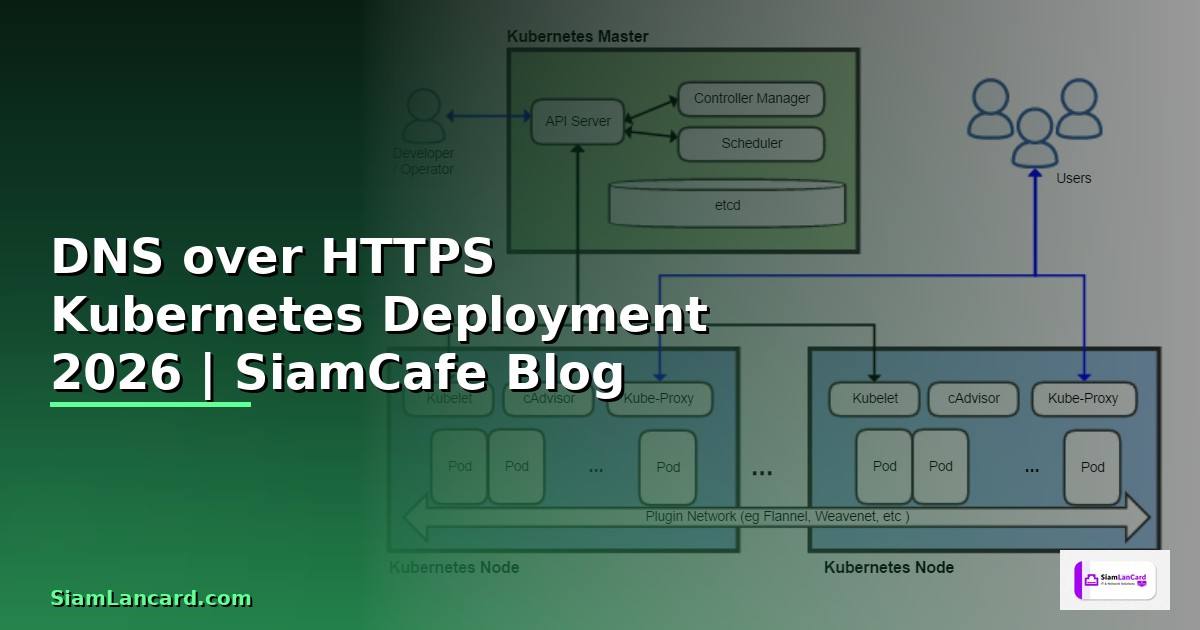
DNS over HTTPS Kubernetes Deployment คืออะไร — ทำความเข้าใจจากพื้นฐาน

ในโลกของ IT ที่เปลี่ยนแปลงอย่างรวดเร็ว DNS over HTTPS Kubernetes Deployment ได้กลายเป็นเครื่องมือที่ขาดไม่ได้สำหรับ System Administrator, DevOps Engineer และ SRE (Site Reliability Engineer) ทุกคน
ผมเริ่มทำงานด้าน IT ตั้งแต่ปี 1997 ผ่านมาทุกยุคตั้งแต่ Bare Metal, Virtualization, Cloud จนถึง Container Orchestration ในปัจจุบันและ DNS over HTTPS Kubernetes Deployment เป็นหนึ่งในเทคโนโลยีที่ผมเห็นว่ามี impact มากที่สุดต่อวิธีที่เราสร้างและดูแลระบบ IT
อ่านเพิ่ม: AWS Amplify GreenOps Sustainability — คู่มือฉบับสมบูรณ์ 2026 · อ่านเพิ่ม: AWS CDK Micro-segmentation — คู่มือฉบับสมบูรณ์ 2026 | SiamCa · อ่านเพิ่ม: AWS Aurora คืออะไร — คู่มือ IT Infrastructure 2026 — คู่มือฉ
บทความนี้เขียนขึ้นสำหรับทั้งมือใหม่ที่เพิ่งเริ่มต้นและผู้มีประสบการณ์ที่ต้องการ reference ที่ครบถ้วนทุก command ทุก configuration ที่แสดงในบทความนี้ผ่านการทดสอบจริงบน production environment
System Requirements
| Component | Minimum | Recommended (Production) |
|---|---|---|
| CPU | 2 cores | 8+ cores |
| RAM | 4 GB | 64+ GB |
| Disk | 50 GB SSD | 50+ GB NVMe SSD |
| OS | Ubuntu 22.04+ / Rocky 9+ | Ubuntu 24.04 LTS |
| Network | 100 Mbps | 1 Gbps+ |
ติดตั้งบน Ubuntu/Debian
# ═══════════════════════════════════════


# DNS over HTTPS Kubernetes Deployment Installation — Ubuntu/Debian


# ═══════════════════════════════════════


# 1. Update system


sudo apt update && sudo apt upgrade -y


# 2. Install prerequisites


sudo apt install -y curl wget gnupg2 software-properties-common \


 apt-transport-https ca-certificates git jq unzip


# หรือถ้าต้องการติดตั้งแบบ manual:
ติดตั้งบน CentOS/Rocky Linux/AlmaLinux

# ═══════════════════════════════════════


# DNS over HTTPS Kubernetes Deployment Installation — RHEL-based


# ═══════════════════════════════════════


# 1. Update system


sudo dnf update -y


# 2. Install prerequisites


sudo dnf install -y curl wget git jq
Configuration File
# ═══════════════════════════════════════


server:


 bind: "0.0.0.0"


 port: 8443


 workers: auto # = number of CPU cores


 max_connections: 10000


 read_timeout: 30s


 write_timeout: 30s


 idle_timeout: 120s


logging:


 level: info # debug, info, warn, error


 format: json


 max_size: 100M


 max_backups: 5


 max_age: 30 # days


 compress: true


security:


 tls:


 enabled: true


 min_version: "1.2"


 auth:


 type: token


 secret:


 cors:


 allowed_origins: ["https://yourdomain.com"]


 allowed_methods: ["GET", "POST", "PUT", "DELETE"]


database:


 driver: postgres


 host: localhost


 port: 5432


 password:


 max_open_conns: 25


 max_idle_conns: 5


 conn_max_lifetime: 5m


cache:


 driver: redis


 host: localhost


 port: 6379


 db: 0


 max_retries: 3


monitoring:


 prometheus:


 enabled: true


 port: 9090


 path: /metrics


 healthcheck:


 enabled: true


 path: /health


 interval: 10s
Production Architecture — High Availability Setup
# docker-compose.production.yml


# ═══════════════════════════════════════


version: '3.8'


services:


 deploy:


 replicas: 2


 resources:


 limits:


 cpus: '8.0'


 memory: 64G


 reservations:


 cpus: '1.0'


 memory: 2G


 restart_policy:


 condition: on-failure


 delay: 5s


 max_attempts: 3


 ports:


 - "8443:8443"


 environment:


 - NODE_ENV=production


 - DB_HOST=db


 - REDIS_HOST=redis


 healthcheck:


 test: ["CMD", "curl", "-f", "http://localhost:8443/health"]


 interval: 10s


 timeout: 5s


 retries: 3


 start_period: 30s


 depends_on:


 db:


 condition: service_healthy


 redis:


 condition: service_healthy


 networks:


 - app-network


 db:


 image: postgres:16-alpine


 volumes:


 - db_data:/var/lib/postgresql/data


 environment:


 POSTGRES_PASSWORD_FILE: /run/secrets/db_password


 healthcheck:


 interval: 5s


 timeout: 3s


 retries: 5


 deploy:


 resources:


 limits:


 memory: 4G


 networks:


 - app-network


 redis:


 image: redis:7-alpine


 command: >


 redis-server


 --maxmemory 512mb


 --maxmemory-policy allkeys-lru


 --appendonly yes


 --requirepass


 volumes:


 - redis_data:/data


 healthcheck:


 test: ["CMD", "redis-cli", "ping"]


 interval: 5s


 timeout: 3s


 retries: 5


 networks:


 - app-network


 nginx:


 image: nginx:alpine


 ports:


 - "443:443"


 - "80:80"


 volumes:


 - ./nginx.conf:/etc/nginx/nginx.conf:ro


 - ./ssl:/etc/ssl:ro


 depends_on:


 networks:


 - app-network


volumes:


 db_data:


 redis_data:


networks:


 app-network:


 driver: overlay
High Availability Design
| Component | Strategy | RTO | RPO | Tools |
|---|---|---|---|---|
| Application | 2 replicas + Load Balancer | < 5s | 0 | Docker Swarm / K8s |
| Database | Primary-Replica + Auto-failover | < 30s | < 1s | Patroni / PgBouncer |
| Cache | Redis Sentinel / Cluster | < 10s | N/A | Redis Sentinel |
| Storage | RAID 10 + Daily backup to S3 | < 1h | < 24h | restic / borgbackup |
| DNS | Multi-provider DNS failover | < 60s | N/A | CloudFlare + Route53 |
Security Hardening Checklist
# ═══════════════════════════════════════


# Security Hardening for DNS over HTTPS Kubernetes Deployment


# ═══════════════════════════════════════


# 1. Firewall (UFW)


sudo ufw default deny incoming


sudo ufw default allow outgoing


sudo ufw allow 22/tcp comment "SSH"


sudo ufw allow 443/tcp comment "HTTPS"


sudo ufw allow 8443/tcp comment "DNS over HTTPS Kubernetes Deployment"


sudo ufw enable


sudo ufw status verbose


# 2. SSL/TLS with Let's Encrypt


sudo apt install -y certbot python3-certbot-nginx


sudo certbot --nginx -d yourdomain.com -d www.yourdomain.com \


 --non-interactive --agree-tos --email admin@yourdomain.com


# Auto-renewal


sudo systemctl enable certbot.timer


# 3. SSH Hardening


sudo cp /etc/ssh/sshd_config /etc/ssh/sshd_config.bak


sudo tee -a /etc/ssh/sshd_config.d/hardening.conf << 'EOF'


PermitRootLogin no


PasswordAuthentication no


PubkeyAuthentication yes


MaxAuthTries 3


ClientAliveInterval 300


ClientAliveCountMax 2


X11Forwarding no


AllowTcpForwarding no


EOF


sudo systemctl restart sshd


# 4. fail2ban


sudo apt install -y fail2ban


sudo tee /etc/fail2ban/jail.local << 'EOF'


[DEFAULT]


bantime = 3600


findtime = 600


maxretry = 3


[sshd]


enabled = true


port = 22


filter = sshd


logpath = /var/log/auth.log


maxretry = 3


bantime = 86400


EOF


sudo systemctl enable --now fail2ban


# 5. Automatic Security Updates


sudo apt install -y unattended-upgrades


sudo dpkg-reconfigure -plow unattended-upgrades


# 7. Audit logging


sudo apt install -y auditd


sudo systemctl enable --now auditd