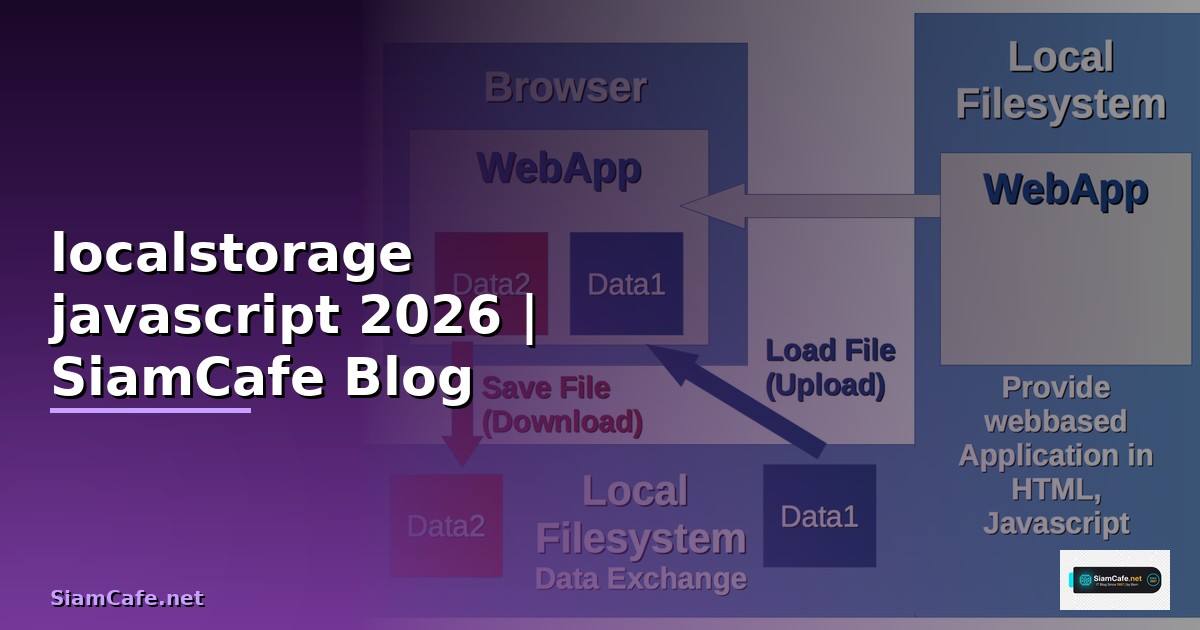
interest rate คืออะไร — คู่มือฉบับสมบูรณ์ 2026

interest rate คืออะไรคืออะไร — แนวคิดและหลักการสำคัญ

interest rate คืออะไร เป็นหัวข้อสำคัญในวงการ Software Development ที่นักพัฒนาทุกคนควรเข้าใจไม่ว่าคุณจะใช้ Kotlin หรือภาษาอื่นหลักการของ interest rate คืออะไรสามารถนำไปประยุกต์ใช้ได้ทุกที่
ในยุคที่มีนักพัฒนาซอฟต์แวร์กว่า 28.7 ล้านคนทั่วโลก (Statista 2025) การเข้าใจ interest rate คืออะไรจะช่วยให้คุณโดดเด่นจากู้คืนอื่นเขียนโค้ดที่ clean, maintainable และ scalable มากขึ้นซึ่งเป็นสิ่งที่บริษัทเทคโนโลยีชั้นนำทั่วโลกให้ความสำคัญ
บทความนี้จะอธิบาย interest rate คืออะไรอย่างละเอียดพร้อมตัวอย่างโค้ดจริงใน Kotlin ที่คุณสามารถนำไปใช้ได้ทันทีรวมถึง design patterns, testing, CI/CD และ performance optimization
ตัวอย่างโค้ดพื้นฐาน
# ═══════════════════════════════════════

# interest rate คืออะไร — Basic Implementation

# Language: Kotlin + Gin

# ═══════════════════════════════════════


# 2. Initialize project

npm init -y # Node.js


# 3. Install dependencies

npm install -D typescript @types/node jest
Production-Ready Implementation
// ═══════════════════════════════════════

// interest rate คืออะไร — Production Implementation

// ═══════════════════════════════════════


import { logger, cors, rateLimit, helmet } from './middleware';

import { db } from './database';

import { cache } from './cache';


// Initialize application

const app = createApp({

 version: '2.0.0'

 env: process.env.NODE_ENV || 'development'

});


// Database connection

const database = db.connect({

 host: process.env.DB_HOST || 'localhost'

 port: parseInt(process.env.DB_PORT || '5432')

 pool: { min: 5, max: 25 }

});


// Cache connection

const redisCache = cache.connect({

 host: process.env.REDIS_HOST || 'localhost'

 port: 6379

 ttl: 3600, // 1 hour default

});


// Middleware stack

app.use(helmet()); // Security headers

app.use(cors({ origin: process.env.ALLOWED_ORIGINS }));

app.use(logger({ level: 'info', format: 'json' }));

app.use(rateLimit({ max: 100, window: '1m' }));


// Health check endpoint

app.get('/health', async (req, res) => {

 const dbHealth = await database.ping();

 const cacheHealth = await redisCache.ping();

 res.json({

 status: dbHealth && cacheHealth ? 'healthy' : 'degraded'

 uptime: process.uptime()

 timestamp: new Date().toISOString()

 checks: {

 database: dbHealth ? 'ok' : 'error'

 cache: cacheHealth ? 'ok' : 'error'

 }

 });

});


// API Routes

const router = createRouter();


router.get('/api/v1/items', async (req, res) => {

 const { page = 1, limit = 20, search } = req.query;

 const cacheKey = `items:::`;


 // Try cache first

 const cached = await redisCache.get(cacheKey);

 if (cached) return res.json(JSON.parse(cached));


 // Query database

 const items = await database.query(

 'SELECT * FROM items WHERE ($1::text IS NULL OR name ILIKE $1) ORDER BY created_at DESC LIMIT $2 OFFSET $3'

 [search ? `%%` : null, limit, (page - 1) * limit]

 );


 const result = { data: items.rows, page, limit, total: items.rowCount };

 await redisCache.set(cacheKey, JSON.stringify(result), 300);

 res.json(result);

});


app.use(router);


// Graceful shutdown

process.on('SIGTERM', async () => {

 console.log('Shutting down gracefully...');

 await database.close();

 await redisCache.close();

 process.exit(0);

});


// Start server

const PORT = parseInt(process.env.PORT || '3000');

app.listen(PORT, () => {

});
อ่านเพิ่มเติม: |
Design Patterns ที่ใช้บ่อยกับ interest rate คืออะไร
| Pattern | ใช้เมื่อ | ตัวอย่างจริง | ภาษาที่เหมาะ |
|---|---|---|---|
| Singleton | ต้องการ instance เดียวทั้ง app | Database connection pool, Logger, Config | ทุกภาษา |
| Factory | สร้าง object หลายประเภทจาก interface เดียว | Payment gateway (Stripe/PayPal/Omise), Notification (Email/SMS/Push) | Java, C#, TypeScript |
| Observer | Event-driven architecture | WebSocket real-time updates, Pub/Sub messaging | JavaScript, Python |
| Strategy | เปลี่ยน algorithm ได้ตอน runtime | Sorting algorithms, Authentication methods, Pricing strategies | ทุกภาษา |
| Repository | แยก data access logic ออกจาก business logic | Database queries, API calls to external services | Java, C#, TypeScript |
| Middleware/Pipeline | ประมวลผล request ผ่านหลาย step | Express middleware, Django middleware, ASP.NET pipeline | JavaScript, Python, C# |
| Builder | สร้าง complex object ทีละ step | Query builder, Form builder, Report generator | Java, TypeScript |
SOLID Principles — หลักการเขียนโค้ดที่ดี
- Single Responsibility — แต่ละ class/function ทำหน้าที่เดียวถ้า function ยาวเกิน 20 บรรทัดควรแยกออก
- Open/Closed — เปิดสำหรับ extension ปิดสำหรับ modification ใช้ interface/abstract class
- Liskov Substitution — subclass ต้องแทนที่ parent ได้โดยไม่ทำให้ระบบพัง
- Interface Segregation — แยก interface ให้เล็กและเฉพาะเจาะจงอย่าสร้าง "God Interface"
- Dependency Inversion — depend on abstractions ไม่ใช่ implementations ใช้ Dependency Injection
Clean Code Practices

- Meaningful Names — ตั้งชื่อตัวแปร/function ให้สื่อความหมาย
getUserById(id)ดีกว่าget(x) - Small Functions — function ควรทำสิ่งเดียวยาวไม่เกิน 20 บรรทัด
- DRY (Don't Repeat Yourself) — ถ้าเขียนโค้ดซ้ำ 3 ครั้งควร refactor เป็น function
- Error Handling — จัดการ error อย่างเหมาะสมไม่ swallow exceptions
- Comments — โค้ดที่ดีอธิบายตัวเองได้ใช้ comment เฉพาะเมื่อจำเป็น (why, not what)
อ่านเพิ่มเติม: |
Testing Strategy
// ═══════════════════════════════════════

// Unit Tests — Pytest

// ═══════════════════════════════════════


describe('interest rate คืออะไร Core Functions', () => {

 // Setup

 beforeEach(() => {

 jest.clearAllMocks();

 });


 it('should process data correctly', () => {

 const input = { name: 'test', value: 42 };

 const result = processData(input);

 expect(result).toBeDefined();

 expect(result.status).toBe('success');

 expect(result.processedValue).toBe(84);

 });


 it('should handle null input gracefully', () => {

 expect(() => processData(null)).toThrow('Input cannot be null');

 });


 it('should handle empty object', () => {

 const result = processData({});

 expect(result.status).toBe('error');

 expect(result.message).toContain('missing required fields');

 });


 it('should validate input types', () => {

 const input = { name: 123, value: 'not a number' };

 expect(() => processData(input)).toThrow('Invalid input types');

 });

});


// ═══════════════════════════════════════

// Integration Tests

// ═══════════════════════════════════════

describe('API Integration Tests', () => {

 it('GET /api/v1/items should return 200', async () => {

 const res = await request(app).get('/api/v1/items');

 expect(res.status).toBe(200);

 expect(res.body.data).toBeInstanceOf(Array);

 });


 it('POST /api/v1/items should create item', async () => {

 const res = await request(app)

 .post('/api/v1/items')

 .send({ name: 'Test Item', value: 100 })

 .set('Authorization', `Bearer `);

 expect(res.status).toBe(201);

 expect(res.body.id).toBeDefined();

 });


 it('should return 401 without auth', async () => {

 const res = await request(app).post('/api/v1/items').send({});

 expect(res.status).toBe(401);

 });

});
CI/CD Pipeline
# .github/workflows/ci.yml

# ═══════════════════════════════════════

name: CI/CD Pipeline

on:

 push:

 branches: [main, develop]

 pull_request:

 branches: [main]


jobs:

 test:

 runs-on: ubuntu-latest

 services:

 postgres:

 image: postgres:16

 env:

 POSTGRES_PASSWORD: test

 ports: ['5432:5432']

 redis:

 image: redis:7

 ports: ['6379:6379']

 steps:

 - uses: actions/checkout@v4

 - uses: actions/setup-node@v4

 with:

 node-version: '20'

 cache: 'npm'

 - run: npm ci

 - run: npm run lint

 - run: npm run type-check

 - run: npm test -- --coverage

 - uses: codecov/codecov-action@v4


 build:

 needs: test

 runs-on: ubuntu-latest

 steps:

 - uses: actions/checkout@v4

 - uses: docker/build-push-action@v5

 with:

 push: }

 tags: ghcr.io/}:latest


 deploy:

 needs: build

 if: github.ref == 'refs/heads/main'

 runs-on: ubuntu-latest

 steps:

 - run: echo "Deploying to production..."

 # Add your deployment steps here
Performance Optimization Checklist
- Caching Strategy — ใช้ Redis/Memcached สำหรับ frequently accessed data ตั้ง TTL ที่เหมาะสมใช้ cache invalidation strategy (write-through, write-behind, cache-aside)
- Database Optimization
- สร้าง index บน columns ที่ query บ่อย
- ใช้ EXPLAIN ANALYZE วิเคราะห์ query plan
- ใช้ connection pooling (PgBouncer, HikariCP)
- Avoid N+1 queries — ใช้ JOIN หรือ batch loading
- Application Level
- Lazy Loading — โหลดข้อมูลเมื่อจำเป็นเท่านั้น
- Code Splitting — แยก bundle เพื่อลด initial load time
- Compression — ใช้ gzip/brotli สำหรับ HTTP responses
- Connection Pooling — reuse database/HTTP connections
- Infrastructure Level
- CDN — ใช้ CloudFlare/CloudFront สำหรับ static assets
- Load Balancing — กระจาย traffic ไปหลาย instances
- Auto-scaling — เพิ่ม/ลด instances ตาม load
- Monitoring — ใช้ APM (Application Performance Monitoring) ตรวจจับ bottleneck
สรุป interest rate คืออะไร — Action Plan สำหรับนักพัฒนา
interest rate คืออะไรเป็นทักษะที่สำคัญสำหรับนักพัฒนาทุกคนการเข้าใจหลักการและ best practices จะช่วยให้คุณเขียนโค้ดที่ดีขึ้นสร้างซอฟต์แวร์ที่มีคุณภาพสูงขึ้นและเติบโตในสายอาชีพได้เร็วขึ้น
Action Plan สำหรับนักพัฒนา
- ศึกษาหลักการพื้นฐาน — อ่าน Clean Code (Robert C. Martin), Design Patterns (GoF)
- ลองเขียนโค้ดตามตัวอย่าง — Clone repo ตัวอย่างและลอง modify
- เขียน test ควบคู่กับโค้ด — ฝึก TDD (Test-Driven Development)
- อ่าน source code ของ open source projects — เรียนรู้จากโค้ดของคนเก่ง
- เข้าร่วม community — GitHub, Stack Overflow, Discord, Thai Dev Community
- สร้าง portfolio — ทำโปรเจคจริงและ deploy ให้คนอื่นใช้ได้
"First, solve the problem. Then, write the code." — John Johnson