External Secrets Operator Infrastructure as Code

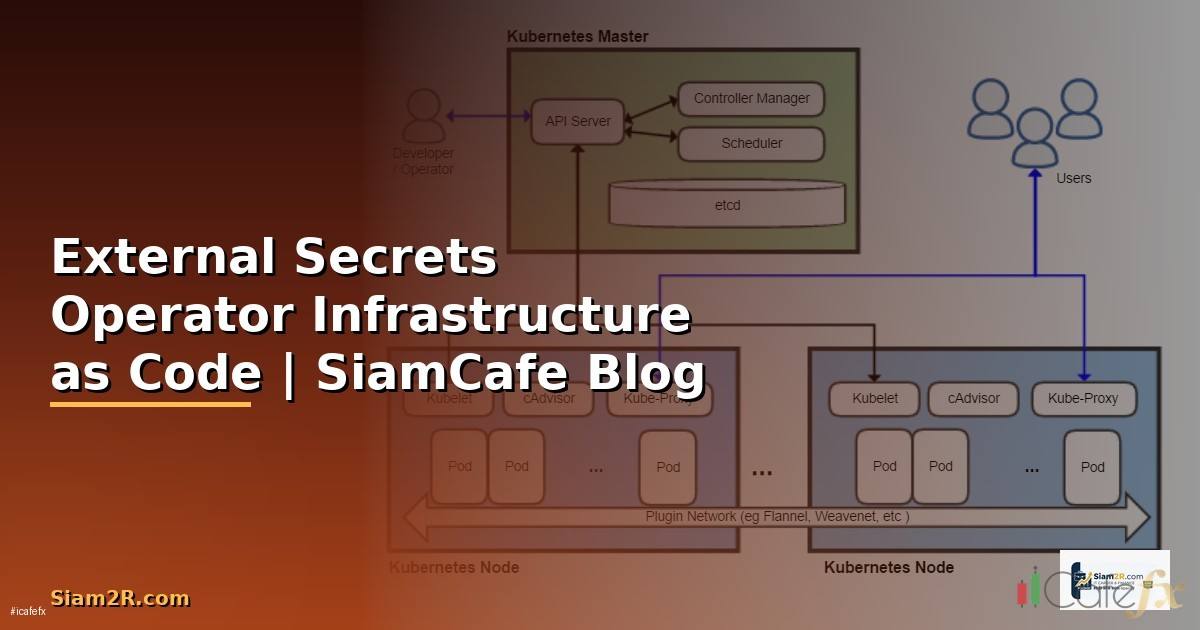
External Secrets Operator Infrastructure as Code คืออะไร — แนวคิดและหลักการทำงาน

External Secrets Operator Infrastructure as Code เป็นเทคโนโลยี DevOps/Infrastructure ที่ช่วยให้ทีมพัฒนาและ operations ทำงานร่วมกันได้ราบรื่น นำ automation มาใช้ตั้งแต่ build, test, deploy จนถึง monitor production เพื่อส่งมอบซอฟต์แวร์ที่มีคุณภาพอย่างรวดเร็ว
External Secrets Operator Infrastructure as Code ใช้หลัก Infrastructure as Code ที่ทุก config อยู่ใน version control ทำให้ track, review และ rollback ได้ ลด configuration drift จากการแก้ server ด้วยมือ ข้อดีหลักคือ reproducibility ลด human error scale ได้เร็ว recovery เร็ว
องค์กรทุกขนาดตั้งแต่ startup 3-5 คนถึงบริษัทหลายร้อยคนใช้ External Secrets Operator Infrastructure as Code เพราะแก้ปัญหาที่ทุกทีมเจอ ไม่ว่าจะจัดการ config ซับซ้อน deploy ซ้ำๆ หรือ monitor ระบบที่มี component จำนวนมาก
สถาปัตยกรรมและ Configuration
การออกแบบ External Secrets Operator Infrastructure as Code ที่ดีต้องคำนึงถึง high availability, fault tolerance และ scalability ตั้งแต่เริ่มต้น
apiVersion: apps/v1


kind: Deployment


metadata:


  name: external-secrets-operator-infrastructure


  namespace: production


spec:


  replicas: 3


  strategy:


    type: RollingUpdate


    rollingUpdate:


      maxSurge: 1


      maxUnavailable: 0


  selector:


    matchLabels:


      app: external-secrets-operator-infrastructure


  template:


    metadata:


      labels:


        app: external-secrets-operator-infrastructure


      annotations:


        prometheus.io/scrape: "true"


        prometheus.io/port: "9090"


    spec:


      containers:


      - name: app


        image: registry.example.com/external-secrets-operator-infrastructure:latest


        ports:


        - containerPort: 8080


        - containerPort: 9090


        resources:


          requests:


            cpu: "250m"


            memory: "256Mi"


          limits:


            cpu: "1000m"


            memory: "1Gi"


        livenessProbe:


          httpGet:


            path: /healthz


            port: 8080


          initialDelaySeconds: 15


          periodSeconds: 10


        readinessProbe:


          httpGet:


            path: /ready


            port: 8080


          initialDelaySeconds: 5


          periodSeconds: 5


---


apiVersion: v1


kind: Service


metadata:


  name: external-secrets-operator-infrastructure


spec:


  type: ClusterIP


  ports:


  - port: 80


    targetPort: 8080


  selector:


    app: external-secrets-operator-infrastructure


---


apiVersion: autoscaling/v2


kind: HorizontalPodAutoscaler


metadata:


  name: external-secrets-operator-infrastructure


spec:


  scaleTargetRef:


    apiVersion: apps/v1


    kind: Deployment


    name: external-secrets-operator-infrastructure


  minReplicas: 3


  maxReplicas: 20


  metrics:


  - type: Resource


    resource:


      name: cpu


      target:


        type: Utilization


        averageUtilization: 70
Configuration นี้กำหนด rolling update ที่ maxUnavailable=0 เพื่อไม่มี downtime มี HPA สำหรับ auto-scaling ตาม CPU และ health check ครบทั้ง liveness/readiness probe
การติดตั้งและ Setup
ขั้นตอนการติดตั้ง External Secrets Operator Infrastructure as Code เริ่มจากเตรียม environment ติดตั้ง dependencies และ configure ระบบ
#!/bin/bash


set -euo pipefail


echo "=== Install Dependencies ==="


sudo apt-get update && sudo apt-get install -y \


    curl wget git jq apt-transport-https \


    ca-certificates software-properties-common gnupg


if ! command -v docker &> /dev/null; then


    curl -fsSL https://get.docker.com | sh


    sudo usermod -aG docker $USER


    sudo systemctl enable --now docker


fi


curl -LO "https://dl.k8s.io/release/$(curl -sL https://dl.k8s.io/release/stable.txt)/bin/linux/amd64/kubectl"


sudo install -o root -g root -m 0755 kubectl /usr/local/bin/kubectl


curl https://raw.githubusercontent.com/helm/helm/main/scripts/get-helm-3 | bash


echo "=== Verify ==="


docker --version && kubectl version --client && helm version --short


mkdir -p ~/projects/external-secrets-operator-infrastructure/{manifests, scripts, tests, monitoring}


cd ~/projects/external-secrets-operator-infrastructure


cat > Makefile <<'MAKEFILE'


.PHONY: deploy rollback status logs


deploy:


	kubectl apply -k manifests/overlays/production/


	kubectl rollout status deployment/external-secrets-operator-infrastructure -n production --timeout=300s


rollback:


	kubectl rollout undo deployment/external-secrets-operator-infrastructure -n production


status:


	kubectl get pods -l app=external-secrets-operator-infrastructure -n production -o wide


logs:


	kubectl logs -f deployment/external-secrets-operator-infrastructure -n production --tail=100


MAKEFILE


echo "Setup complete"
Monitoring และ Alerting
การ monitor External Secrets Operator Infrastructure as Code ต้องครอบคลุมทั้ง infrastructure, application และ business metrics
ปัญหาที่พบบ่อย

| ปัญหา | สาเหตุ | วิธีแก้ |
|---|---|---|
| Pod CrashLoopBackOff | App crash ตอน startup | ตรวจ logs, ปรับ resource limits |
| ImagePullBackOff | ดึง image ไม่ได้ | ตรวจ image name/tag, imagePullSecrets |
| OOMKilled | Memory เกิน limit | เพิ่ม memory limit, optimize app |
| Service unreachable | Selector ไม่ตรง labels | ตรวจ labels ให้ตรงกัน |
| HPA ไม่ scale | Metrics server ไม่ทำงาน | ตรวจ metrics-server pod |
Best Practices
- ใช้ GitOps Workflow — ทุกการเปลี่ยนแปลงผ่าน Git ห้ามแก้ production ด้วย kubectl edit
- ตั้ง Resource Limits ทุก Pod — ป้องกัน pod ใช้ resource กระทบตัวอื่น
- มี Rollback Strategy — ทดสอบ rollback เป็นประจำ ใช้ revision history
- แยก Config จาก Code — ใช้ ConfigMap/Secrets แยก config
- Network Policies — จำกัด traffic ระหว่าง pod เฉพาะที่จำเป็น
- Chaos Engineering — ทดสอบ pod/node failure เป็นประจำ
Best Practices สำหรับนักพัฒนา
การเขียนโค้ดที่ดีไม่ใช่แค่ทำให้โปรแกรมทำงานได้ แต่ต้องเขียนให้อ่านง่าย ดูแลรักษาง่าย และ Scale ได้ หลัก SOLID Principles เป็นพื้นฐานสำคัญที่นักพัฒนาทุกคนควรเข้าใจ ได้แก่ Single Responsibility ที่แต่ละ Class ทำหน้าที่เดียว Open-Closed ที่เปิดให้ขยายแต่ปิดการแก้ไข Liskov Substitution ที่ Subclass ต้องใช้แทน Parent ได้ Interface Segregation ที่แยก Interface ให้เล็ก และ Dependency Inversion ที่พึ่งพา Abstraction ไม่ใช่ Implementation
เรื่อง Testing ก็ขาดไม่ได้ ควรเขียน Unit Test ครอบคลุมอย่างน้อย 80% ของ Code Base ใช้ Integration Test ทดสอบการทำงานร่วมกันของ Module ต่างๆ และ E2E Test สำหรับ Critical User Flow เครื่องมือยอดนิยมเช่น Jest, Pytest, JUnit ช่วยให้การเขียน Test เป็นเรื่องง่าย
เรื่อง Version Control ด้วย Git ใช้ Branch Strategy ที่เหมาะกับทีม เช่น Git Flow สำหรับโปรเจคใหญ่ หรือ Trunk-Based Development สำหรับทีมที่ Deploy บ่อย ทำ Code Review ทุก Pull Request และใช้ CI/CD Pipeline ทำ Automated Testing และ Deployment
เปรียบเทียบข้อดีและข้อเสีย
จากตารางเปรียบเทียบจะเห็นว่าข้อดีมีมากกว่าข้อเสียอย่างชัดเจน โดยเฉพาะในแง่ของประสิทธิภาพและความสามารถในการ Scale สำหรับข้อเสียส่วนใหญ่สามารถแก้ไขได้ด้วยการเรียนรู้อย่างเป็นระบบและวางแผนทรัพยากรให้เหมาะสม
คำถามที่พบบ่อย (FAQ)
Q: External Secrets Operator Infrastructure as Code เหมาะกับโปรเจคขนาดเล็กไหม?
A: เหมาะทุกขนาด เริ่มจาก config พื้นฐานแล้วค่อยเพิ่มความซับซ้อนเมื่อระบบเติบโต
Q: ต้องใช้ทรัพยากรเซิร์ฟเวอร์มากแค่ไหน?
A: แนะนำ CPU 2-4 cores, RAM 4-8GB เป็นจุดเริ่มต้น scale ได้ตามความต้องการจริง
Q: ใช้ร่วมกับ CI/CD ได้อย่างไร?
A: ผสานกับ GitHub Actions, GitLab CI, Jenkins ได้โดยตรง เพิ่ม step apply config ใน pipeline
Q: เกิด downtime ระหว่างอัปเดตไหม?
A: ถ้าตั้ง RollingUpdate ที่ maxUnavailable=0 จะไม่มี downtime เลย