it

TypeScript tRPC สำหรับมือใหม่ Step by Step

TypeScript tRPC สำหรับมือใหม่ Step by Step คืออะไร — แนวคิดและหลักการสำคัญ
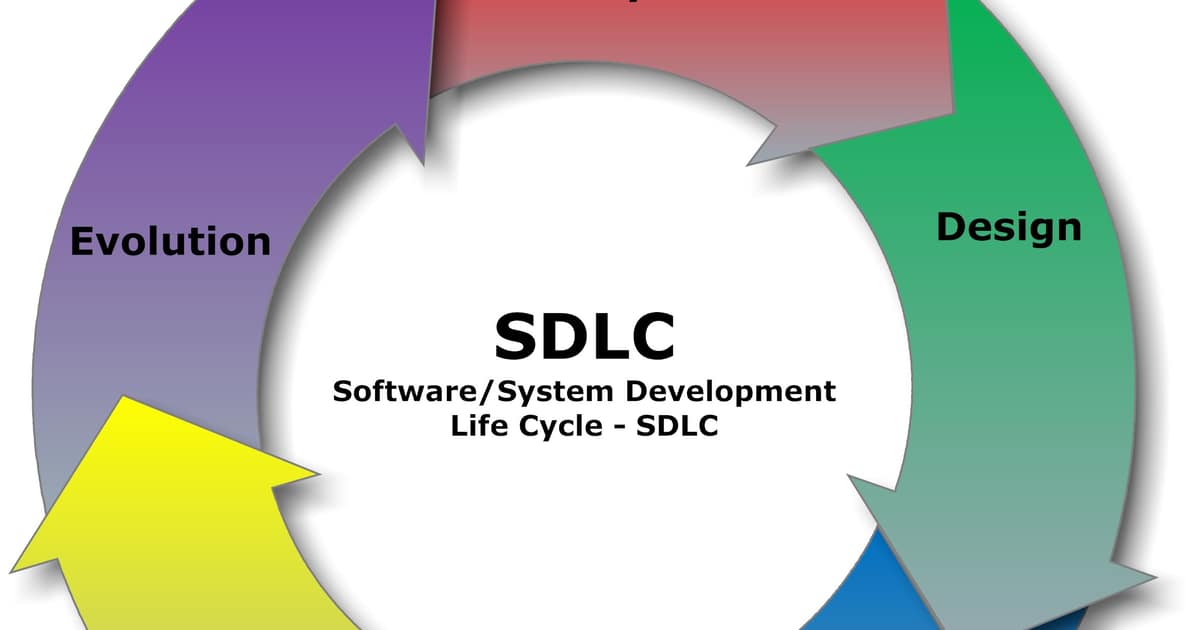
TypeScript tRPC สำหรับมือใหม่ Step by Step เป็นหัวข้อสำคัญในวงการ Software Development ที่นักพัฒนาทุกคนควรเข้าใจไม่ว่าคุณจะใช้ Rust หรือภาษาอื่นหลักการของ TypeScript tRPC สำหรับมือใหม่ Step by Step สามารถนำไปประยุกต์ใช้ได้ทุกที่
ในยุคที่มีนักพัฒนาซอฟต์แวร์กว่า 28.7 ล้านคนทั่วโลก (Statista 2025) การเข้าใจ TypeScript tRPC สำหรับมือใหม่ Step by Step จะช่วยให้คุณโดดเด่นจากู้คืนอื่นเขียนโค้ดที่ clean, maintainable และ scalable มากขึ้นซึ่งเป็นสิ่งที่บริษัทเทคโนโลยีชั้นนำทั่วโลกให้ความสำคัญ
บทความนี้จะอธิบาย TypeScript tRPC สำหรับมือใหม่ Step by Step อย่างละเอียดพร้อมตัวอย่างโค้ดจริงใน Rust ที่คุณสามารถนำไปใช้ได้ทันทีรวมถึง design patterns, testing, CI/CD และ performance optimization
ตัวอย่างโค้ดพื้นฐาน
# ═══════════════════════════════════════

# TypeScript tRPC สำหรับมือใหม่ Step by Step — Basic Implementation

# Language: Rust + Django

# ═══════════════════════════════════════


# 2. Initialize project

npm init -y # Node.js


# 3. Install dependencies

npm install -D typescript @types/node jest
Production-Ready Implementation

// ═══════════════════════════════════════

// TypeScript tRPC สำหรับมือใหม่ Step by Step — Production Implementation

// ═══════════════════════════════════════


import { logger, cors, rateLimit, helmet } from './middleware';

import { db } from './database';

import { cache } from './cache';


// Initialize application

const app = createApp({

 version: '2.0.0'

 env: process.env.NODE_ENV || 'development'

});


// Database connection

const database = db.connect({

 host: process.env.DB_HOST || 'localhost'

 port: parseInt(process.env.DB_PORT || '5432')

 pool: { min: 5, max: 25 }

});


// Cache connection

const redisCache = cache.connect({

 host: process.env.REDIS_HOST || 'localhost'

 port: 6379

 ttl: 3600, // 1 hour default

});


// Middleware stack

app.use(helmet()); // Security headers

app.use(cors({ origin: process.env.ALLOWED_ORIGINS }));

app.use(logger({ level: 'info', format: 'json' }));

app.use(rateLimit({ max: 100, window: '1m' }));


// Health check endpoint

app.get('/health', async (req, res) => {

 const dbHealth = await database.ping();

 const cacheHealth = await redisCache.ping();

 res.json({

 status: dbHealth && cacheHealth ? 'healthy' : 'degraded'

 uptime: process.uptime()

 timestamp: new Date().toISOString()

 checks: {

 database: dbHealth ? 'ok' : 'error'

 cache: cacheHealth ? 'ok' : 'error'

 }

 });

});


// API Routes

const router = createRouter();


router.get('/api/v1/items', async (req, res) => {

 const { page = 1, limit = 20, search } = req.query;

 const cacheKey = `items:::`;


 // Try cache first

 const cached = await redisCache.get(cacheKey);

 if (cached) return res.json(JSON.parse(cached));


 // Query database

 const items = await database.query(

 'SELECT * FROM items WHERE ($1::text IS NULL OR name ILIKE $1) ORDER BY created_at DESC LIMIT $2 OFFSET $3'

 [search ? `%%` : null, limit, (page - 1) * limit]

 );


 const result = { data: items.rows, page, limit, total: items.rowCount };

 await redisCache.set(cacheKey, JSON.stringify(result), 300);

 res.json(result);

});


app.use(router);


// Graceful shutdown

process.on('SIGTERM', async () => {

 console.log('Shutting down gracefully...');

 await database.close();

 await redisCache.close();

 process.exit(0);

});


// Start server

const PORT = parseInt(process.env.PORT || '3000');

app.listen(PORT, () => {

});
Design Patterns ที่ใช้บ่อยกับ TypeScript tRPC สำหรับมือใหม่ Step by Step
| Pattern | ใช้เมื่อ | ตัวอย่างจริง | ภาษาที่เหมาะ |
|---|---|---|---|
| Singleton | ต้องการ instance เดียวทั้ง app | Database connection pool, Logger, Config | ทุกภาษา |
| Factory | สร้าง object หลายประเภทจาก interface เดียว | Payment gateway (Stripe/PayPal/Omise), Notification (Email/SMS/Push) | Java, C#, TypeScript |
| Observer | Event-driven architecture | WebSocket real-time updates, Pub/Sub messaging | JavaScript, Python |
| Strategy | เปลี่ยน algorithm ได้ตอน runtime | Sorting algorithms, Authentication methods, Pricing strategies | ทุกภาษา |
| Repository | แยก data access logic ออกจาก business logic | Database queries, API calls to external services | Java, C#, TypeScript |
| Middleware/Pipeline | ประมวลผล request ผ่านหลาย step | Express middleware, Django middleware, ASP.NET pipeline | JavaScript, Python, C# |
| Builder | สร้าง complex object ทีละ step | Query builder, Form builder, Report generator | Java, TypeScript |
SOLID Principles — หลักการเขียนโค้ดที่ดี
- Single Responsibility — แต่ละ class/function ทำหน้าที่เดียวถ้า function ยาวเกิน 20 บรรทัดควรแยกออก
- Open/Closed — เปิดสำหรับ extension ปิดสำหรับ modification ใช้ interface/abstract class
- Liskov Substitution — subclass ต้องแทนที่ parent ได้โดยไม่ทำให้ระบบพัง
- Interface Segregation — แยก interface ให้เล็กและเฉพาะเจาะจงอย่าสร้าง "God Interface"
- Dependency Inversion — depend on abstractions ไม่ใช่ implementations ใช้ Dependency Injection
Clean Code Practices
- Meaningful Names — ตั้งชื่อตัวแปร/function ให้สื่อความหมาย
getUserById(id)ดีกว่าget(x) - Small Functions — function ควรทำสิ่งเดียวยาวไม่เกิน 20 บรรทัด
- DRY (Don't Repeat Yourself) — ถ้าเขียนโค้ดซ้ำ 3 ครั้งควร refactor เป็น function
- Error Handling — จัดการ error อย่างเหมาะสมไม่ swallow exceptions
- Comments — โค้ดที่ดีอธิบายตัวเองได้ใช้ comment เฉพาะเมื่อจำเป็น (why, not what)