trade support and resistance

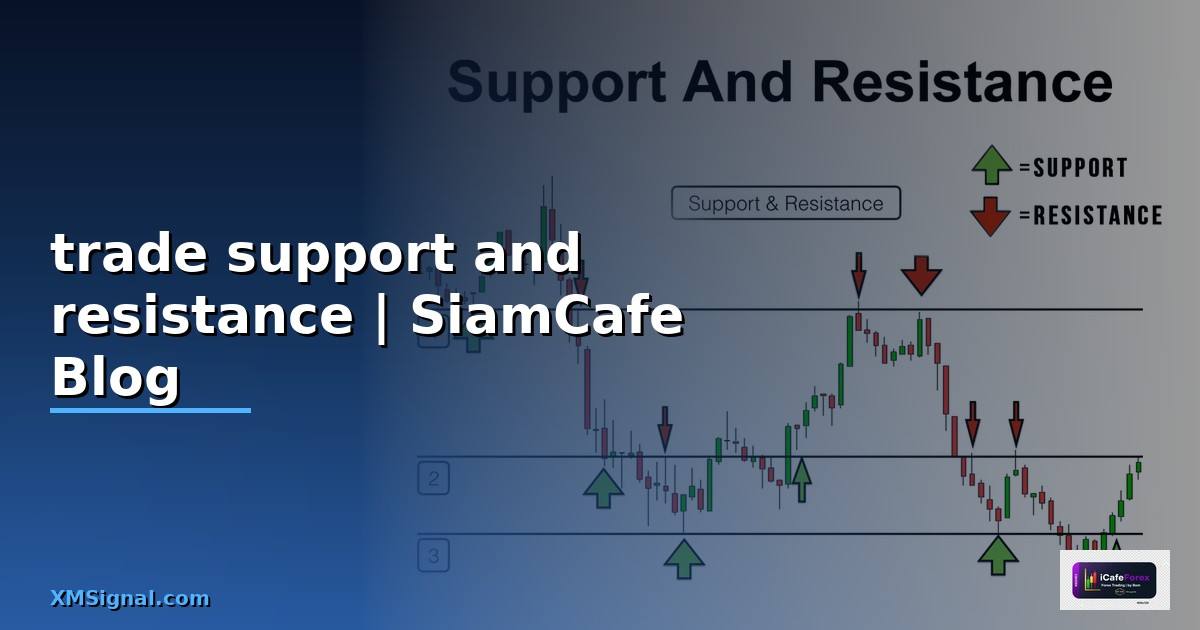
trade support and resistance คืออะไร — ทำความเข้าใจพื้นฐาน

trade support and resistance เป็นหัวข้อที่ได้รับความสนใจมาก การทำความเข้าใจอย่างลึกซึ้งช่วยนำไปประยุกต์ใช้ได้อย่างมีประสิทธิภาพ
ในยุคที่เทคโนโลยีเปลี่ยนแปลงเร็ว การเรียนรู้ trade support and resistance เป็นสิ่งจำเป็นสำหรับทุกคนที่ต้องการก้าวทันโลก
trade support and resistance เกี่ยวข้องกับหลายศาสตร์ทั้งเทคโนโลยี เศรษฐกิจ สังคม การเข้าใจมุมกว้างช่วยตัดสินใจได้อย่างมีข้อมูล
องค์ประกอบสำคัญและสถาปัตยกรรม
เพื่อเข้าใจ trade support and resistance อย่างครบถ้วน ต้องเข้าใจองค์ประกอบหลักที่ทำงานร่วมกัน ด้านล่างเป็น configuration จริงที่ใช้ในสภาพแวดล้อม production
apiVersion: apps/v1

kind: Deployment

metadata:

  name: trade-support-and-resistance

  namespace: production

spec:

  replicas: 3

  strategy:

    type: RollingUpdate

    rollingUpdate:

      maxSurge: 1

      maxUnavailable: 0

  selector:

    matchLabels:

      app: trade-support-and-resistance

  template:

    metadata:

      labels:

        app: trade-support-and-resistance

      annotations:

        prometheus.io/scrape: "true"

        prometheus.io/port: "9090"

    spec:

      containers:

      - name: app

        image: registry.example.com/trade-support-and-resistance:latest

        ports:

        - containerPort: 8080

        - containerPort: 9090

        resources:

          requests:

            cpu: "250m"

            memory: "256Mi"

          limits:

            cpu: "1000m"

            memory: "1Gi"

        livenessProbe:

          httpGet:

            path: /healthz

            port: 8080

          initialDelaySeconds: 15

          periodSeconds: 10

        readinessProbe:

          httpGet:

            path: /ready

            port: 8080

          initialDelaySeconds: 5

          periodSeconds: 5

---

apiVersion: v1

kind: Service

metadata:

  name: trade-support-and-resistance

spec:

  type: ClusterIP

  ports:

  - port: 80

    targetPort: 8080

  selector:

    app: trade-support-and-resistance

---

apiVersion: autoscaling/v2

kind: HorizontalPodAutoscaler

metadata:

  name: trade-support-and-resistance

spec:

  scaleTargetRef:

    apiVersion: apps/v1

    kind: Deployment

    name: trade-support-and-resistance

  minReplicas: 3

  maxReplicas: 20

  metrics:

  - type: Resource

    resource:

      name: cpu

      target:

        type: Utilization

        averageUtilization: 70
การติดตั้งและเริ่มต้นใช้งาน
ขั้นตอนการติดตั้ง trade support and resistance เริ่มจากเตรียม environment จากนั้นติดตั้ง dependencies และตั้งค่า
#!/bin/bash

set -euo pipefail


echo "=== Install Dependencies ==="

sudo apt-get update && sudo apt-get install -y \

    curl wget git jq apt-transport-https \

    ca-certificates software-properties-common gnupg


if ! command -v docker &> /dev/null; then

    curl -fsSL https://get.docker.com | sh

    sudo usermod -aG docker $USER

    sudo systemctl enable --now docker

fi


curl -LO "https://dl.k8s.io/release/$(curl -sL https://dl.k8s.io/release/stable.txt)/bin/linux/amd64/kubectl"

sudo install -o root -g root -m 0755 kubectl /usr/local/bin/kubectl

curl https://raw.githubusercontent.com/helm/helm/main/scripts/get-helm-3 | bash


echo "=== Verify ==="

docker --version && kubectl version --client && helm version --short


mkdir -p ~/projects/trade-support-and-resistance/{manifests, scripts, tests, monitoring}

cd ~/projects/trade-support-and-resistance


cat > Makefile <<'MAKEFILE'

.PHONY: deploy rollback status logs

deploy:

	kubectl apply -k manifests/overlays/production/

	kubectl rollout status deployment/trade-support-and-resistance -n production --timeout=300s

rollback:

	kubectl rollout undo deployment/trade-support-and-resistance -n production

status:

	kubectl get pods -l app=trade-support-and-resistance -n production -o wide

logs:

	kubectl logs -f deployment/trade-support-and-resistance -n production --tail=100

MAKEFILE

echo "Setup complete"
Monitoring และ Health Check
การ monitor trade support and resistance ต้องครอบคลุมทุกระดับ เพื่อตรวจจับปัญหาก่อนกระทบ user
ตารางเปรียบเทียบ
| ปัญหา | สาเหตุ | วิธีแก้ |
|---|---|---|
| Pod CrashLoopBackOff | App crash ตอน startup | ตรวจ logs, ปรับ resource limits |
| ImagePullBackOff | ดึง image ไม่ได้ | ตรวจ image name/tag, imagePullSecrets |
| OOMKilled | Memory เกิน limit | เพิ่ม memory limit, optimize app |
| Service unreachable | Selector ไม่ตรง labels | ตรวจ labels ให้ตรงกัน |
| HPA ไม่ scale | Metrics server ไม่ทำงาน | ตรวจ metrics-server pod |
Best Practices
- ใช้ GitOps Workflow — ทุกการเปลี่ยนแปลงผ่าน Git ห้ามแก้ production ด้วย kubectl edit
- ตั้ง Resource Limits ทุก Pod — ป้องกัน pod ใช้ resource กระทบตัวอื่น
- มี Rollback Strategy — ทดสอบ rollback เป็นประจำ ใช้ revision history
- แยก Config จาก Code — ใช้ ConfigMap/Secrets แยก config
- Network Policies — จำกัด traffic ระหว่าง pod เฉพาะที่จำเป็น
- Chaos Engineering — ทดสอบ pod/node failure เป็นประจำ
ข้อควรรู้สำหรับนักลงทุนไทย ปี 2026
การลงทุนในสินทรัพย์ดิจิทัลและตลาดการเงินต้องเข้าใจความเสี่ยง สิ่งสำคัญที่สุดคือ การจัดการความเสี่ยง ไม่ลงทุนมากกว่าที่พร้อมจะเสีย กระจายพอร์ตลงทุนในสินทรัพย์หลายประเภท ตั้ง Stop Loss ทุกครั้ง และไม่ใช้ Leverage สูงเกินไป
ในประเทศไทย กลต กำหนดกรอบกฎหมายชัดเจนสำหรับ Digital Assets ผู้ให้บริการต้องได้รับใบอนุญาต นักลงทุนต้องทำ KYC และเสียภาษี 15% จากกำไร แนะนำให้ใช้แพลตฟอร์มที่ได้รับอนุญาตจาก กลต เท่านั้น เช่น Bitkub Satang Pro หรือ Zipmex
สำหรับ Forex ต้องเลือก Broker ที่มี Regulation จากหน่วยงานที่น่าเชื่อถือ เช่น FCA, ASIC, CySEC เริ่มต้นด้วย Demo Account ก่อน เรียนรู้ Technical Analysis และ Fundamental Analysis ให้เข้าใจ และมีแผนการเทรดที่ชัดเจน ไม่เทรดตามอารมณ์
เปรียบเทียบข้อดีและข้อเสีย
จากตารางเปรียบเทียบจะเห็นว่าข้อดีมีมากกว่าข้อเสียอย่างชัดเจน โดยเฉพาะในแง่ของประสิทธิภาพและความสามารถในการ Scale สำหรับข้อเสียส่วนใหญ่สามารถแก้ไขได้ด้วยการเรียนรู้อย่างเป็นระบบและวางแผนทรัพยากรให้เหมาะสม
สรุปประเด็นสำคัญ
สิ่งที่ควรทำต่อหลังอ่านบทความนี้จบ คือ ลองตั้ง Lab Environment ทดสอบด้วยตัวเอง อ่าน Official Documentation เพิ่มเติม เข้าร่วม Community เช่น Discord หรือ Facebook Group ที่เกี่ยวข้อง และลองทำ Side Project เล็กๆ เพื่อฝึกฝน หากมีคำถามเพิ่มเติม สามารถติดตามเนื้อหาได้ที่ SiamCafe.net ซึ่งอัพเดทบทความใหม่ทุกสัปดาห์
คำถามที่พบบ่อย (FAQ)
Q: trade support and resistance เหมาะกับผู้เริ่มต้นไหม?
A: เหมาะสำหรับทุกระดับ เริ่มจากพื้นฐานในบทความนี้แล้วค่อยศึกษาเพิ่มเติมตามความสนใจ
Q: ต้องใช้เวลาเรียนรู้นานแค่ไหน?
A: พื้นฐาน 1-2 สัปดาห์ ระดับกลาง 1-3 เดือน ระดับสูง 6-12 เดือน ขึ้นอยู่กับประสบการณ์เดิม
Q: มี community ภาษาไทยไหม?
A: มีทั้ง Facebook Group, LINE OpenChat, Discord และ SiamCafe.net Community
Q: ใช้ร่วมกับเทคโนโลยีอื่นได้ไหม?
A: ได้ trade support and resistance สามารถทำงานร่วมกับเทคโนโลยีอื่นๆได้ดี ยิ่งรู้หลายเรื่องยิ่งได้เปรียบ