sales automation คือ

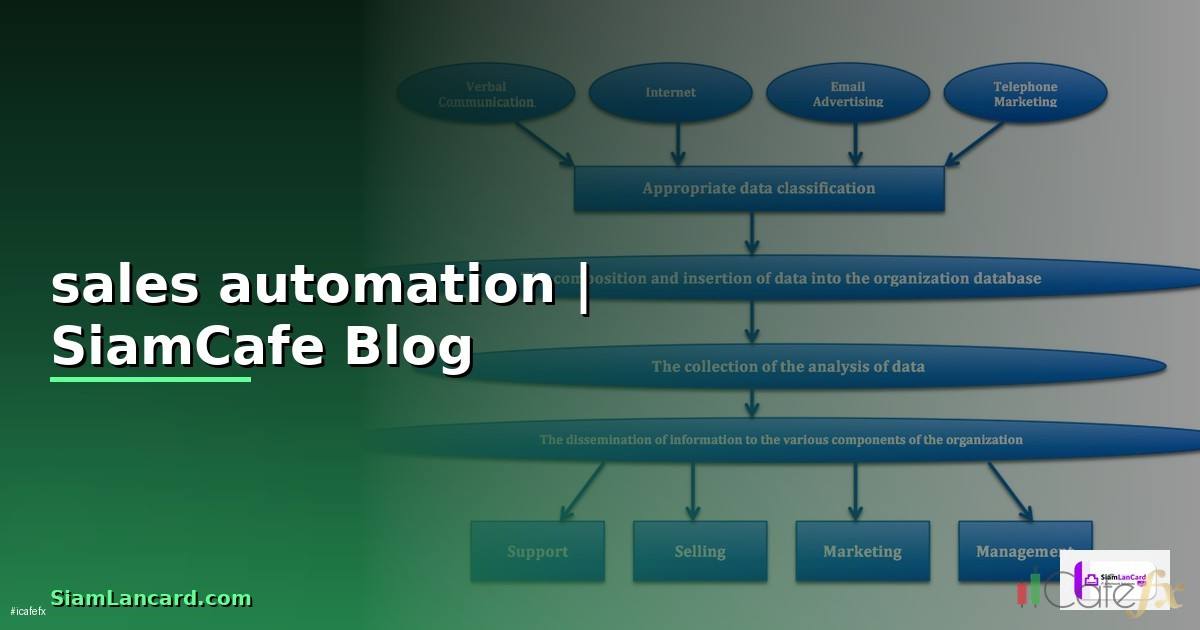
sales automation คือ คืออะไร — ทำความเข้าใจพื้นฐาน

sales automation คือ เป็นหัวข้อการเงินและการลงทุนที่ได้รับความสนใจมากในปัจจุบัน การเข้าใจอย่างลึกซึ้งช่วยตัดสินใจทางการเงินได้ดี
ในบริบทเศรษฐกิจไทยและเศรษฐกิจโลก sales automation คือ มีบทบาทสำคัญต่อการวางแผนการเงินส่วนบุคคลและการลงทุน
อ่านเพิ่ม: SigNoz Observability Open Source Contribution | SiamCafe Blo · อ่านเพิ่ม: SASE Framework Metric Collection | SiamCafe Blog · อ่านเพิ่ม: responsible ai คือ — วิธีตั้งค่าและใช้งานจริงพร้อมตัวอย่าง
บทความนี้อธิบาย sales automation คือ ตั้งแต่พื้นฐานถึงเทคนิคการวิเคราะห์ พร้อมตัวอย่างโค้ดคำนวณและวิเคราะห์ข้อมูลทางการเงิน
องค์ประกอบสำคัญและสถาปัตยกรรม
เพื่อเข้าใจ sales automation คือ อย่างครบถ้วน ต้องเข้าใจองค์ประกอบหลักที่ทำงานร่วมกัน ด้านล่างเป็น configuration จริงที่ใช้ในสภาพแวดล้อม production
apiVersion: apps/v1
kind: Deployment
metadata:
  name: sales-automation-คือ
  namespace: production
spec:
  replicas: 3
  strategy:
    type: RollingUpdate
    rollingUpdate:
      maxSurge: 1
      maxUnavailable: 0
  selector:
    matchLabels:
      app: sales-automation-คือ
  template:
    metadata:
      labels:
        app: sales-automation-คือ
      annotations:
        prometheus.io/scrape: "true"
        prometheus.io/port: "9090"
    spec:
      containers:
      - name: app
        image: registry.example.com/sales-automation-คือ:latest
        ports:
        - containerPort: 8080
        - containerPort: 9090
        resources:
          requests:
            cpu: "250m"
            memory: "256Mi"
          limits:
            cpu: "1000m"
            memory: "1Gi"
        livenessProbe:
          httpGet:
            path: /healthz
            port: 8080
          initialDelaySeconds: 15
          periodSeconds: 10
        readinessProbe:
          httpGet:
            path: /ready
            port: 8080
          initialDelaySeconds: 5
          periodSeconds: 5
---
apiVersion: v1
kind: Service
metadata:
  name: sales-automation-คือ
spec:
  type: ClusterIP
  ports:
  - port: 80
    targetPort: 8080
  selector:
    app: sales-automation-คือ
---
apiVersion: autoscaling/v2
kind: HorizontalPodAutoscaler
metadata:
  name: sales-automation-คือ
spec:
  scaleTargetRef:
    apiVersion: apps/v1
    kind: Deployment
    name: sales-automation-คือ
  minReplicas: 3
  maxReplicas: 20
  metrics:
  - type: Resource
    resource:
      name: cpu
      target:
        type: Utilization
        averageUtilization: 70
การติดตั้งและเริ่มต้นใช้งาน
ขั้นตอนการติดตั้ง sales automation คือ เริ่มจากเตรียม environment จากนั้นติดตั้ง dependencies และตั้งค่า
#!/bin/bash
set -euo pipefail

echo "=== Install Dependencies ==="
sudo apt-get update && sudo apt-get install -y \
    curl wget git jq apt-transport-https \
    ca-certificates software-properties-common gnupg

if ! command -v docker &> /dev/null; then
    curl -fsSL https://get.docker.com | sh
    sudo usermod -aG docker $USER
    sudo systemctl enable --now docker
fi

curl -LO "https://dl.k8s.io/release/$(curl -sL https://dl.k8s.io/release/stable.txt)/bin/linux/amd64/kubectl"
sudo install -o root -g root -m 0755 kubectl /usr/local/bin/kubectl
curl https://raw.githubusercontent.com/helm/helm/main/scripts/get-helm-3 | bash

echo "=== Verify ==="
docker --version && kubectl version --client && helm version --short

mkdir -p ~/projects/sales-automation-คือ/{manifests, scripts, tests, monitoring}
cd ~/projects/sales-automation-คือ

cat > Makefile <<'MAKEFILE'
.PHONY: deploy rollback status logs
deploy:
	kubectl apply -k manifests/overlays/production/
	kubectl rollout status deployment/sales-automation-คือ -n production --timeout=300s
rollback:
	kubectl rollout undo deployment/sales-automation-คือ -n production
status:
	kubectl get pods -l app=sales-automation-คือ -n production -o wide
logs:
	kubectl logs -f deployment/sales-automation-คือ -n production --tail=100
MAKEFILE
echo "Setup complete"
Monitoring และ Health Check
การ monitor sales automation คือ ต้องครอบคลุมทุกระดับ เพื่อตรวจจับปัญหาก่อนกระทบ user
ตารางเปรียบเทียบ
| สินทรัพย์ | ผลตอบแทน/ปี | ความเสี่ยง | สภาพคล่อง |
|---|---|---|---|
| เงินฝากออมทรัพย์ | 0.5-1.5% | ต่ำมาก | สูงมาก |
| พันธบัตร | 2-3% | ต่ำ | ปานกลาง |
| กองทุนรวม | 3-12% | ปานกลาง | สูง |
| หุ้น | ไม่แน่นอน | สูง | สูง |
| ทองคำ | 5-8% | ปานกลาง | สูง |
Best Practices
- ใช้ GitOps Workflow — ทุกการเปลี่ยนแปลงผ่าน Git ห้ามแก้ production ด้วย kubectl edit
- ตั้ง Resource Limits ทุก Pod — ป้องกัน pod ใช้ resource กระทบตัวอื่น
- มี Rollback Strategy — ทดสอบ rollback เป็นประจำ ใช้ revision history
- แยก Config จาก Code — ใช้ ConfigMap/Secrets แยก config
- Network Policies — จำกัด traffic ระหว่าง pod เฉพาะที่จำเป็น
- Chaos Engineering — ทดสอบ pod/node failure เป็นประจำ
การประยุกต์ใช้ AI ในงานจริง ปี 2026
เทคโนโลยี AI ในปี 2026 ก้าวหน้าไปมากจนสามารถนำไปใช้งานจริงได้หลากหลาย ตั้งแต่ Customer Service ด้วย AI Chatbot ที่เข้าใจบริบทและตอบคำถามได้แม่นยำ Content Generation ที่ช่วยสร้างบทความ รูปภาพ และวิดีโอ ไปจนถึง Predictive Analytics ที่วิเคราะห์ข้อมูลทำนายแนวโน้มธุรกิจ
สำหรับนักพัฒนา การเรียนรู้ AI Framework เป็นสิ่งจำเป็น TensorFlow และ PyTorch ยังคงเป็นตัวเลือกหลัก Hugging Face ทำให้การใช้ Pre-trained Model ง่ายขึ้น LangChain ช่วยสร้าง AI Application ที่ซับซ้อน และ OpenAI API ให้เข้าถึงโมเดลระดับ GPT-4 ได้สะดวก
ข้อควรระวังในการใช้ AI คือ ต้องตรวจสอบผลลัพธ์เสมอเพราะ AI อาจให้ข้อมูลผิดได้ เรื่อง Data Privacy ต้องระวังไม่ส่งข้อมูลลับไปยัง AI Service ภายนอก และเรื่อง Bias ใน AI Model ที่อาจเกิดจากข้อมูลฝึกสอนที่ไม่สมดุล องค์กรควรมี AI Governance Policy กำกับดูแลการใช้งาน
เปรียบเทียบข้อดีและข้อเสีย
จากตารางเปรียบเทียบจะเห็นว่าข้อดีมีมากกว่าข้อเสียอย่างชัดเจน โดยเฉพาะในแง่ของประสิทธิภาพและความสามารถในการ Scale สำหรับข้อเสียส่วนใหญ่สามารถแก้ไขได้ด้วยการเรียนรู้อย่างเป็นระบบและวางแผนทรัพยากรให้เหมาะสม
สรุปประเด็นสำคัญ
สิ่งที่ควรทำต่อหลังอ่านบทความนี้จบ คือ ลองตั้ง Lab Environment ทดสอบด้วยตัวเอง อ่าน Official Documentation เพิ่มเติม เข้าร่วม Community เช่น Discord หรือ Facebook Group ที่เกี่ยวข้อง และลองทำ Side Project เล็กๆ เพื่อฝึกฝน หากมีคำถามเพิ่มเติม สามารถติดตามเนื้อหาได้ที่ SiamCafe.net ซึ่งอัพเดทบทความใหม่ทุกสัปดาห์
คำถามที่พบบ่อย (FAQ)
Q: เริ่มศึกษา sales automation คือ ต้องมีพื้นฐานอะไร?
A: ไม่ต้องมีพื้นฐานเฉพาะทาง เริ่มจากแนวคิดพื้นฐานในบทความนี้แล้วค่อยศึกษาเพิ่มเติม
Q: ควรลงทุนกี่เปอร์เซ็นต์ของรายได้?
A: แนะนำอย่างน้อย 20% ตามกฎ 50-30-20 ถ้าทำได้มากกว่ายิ่งดี
Q: DCA กับ Lump Sum แบบไหนดีกว่า?
A: สถิติ Lump Sum ดีกว่า 2 ใน 3 กรณี แต่ DCA เหมาะกับคนรับความเสี่ยงน้อยและลงทุนจากเงินเดือน
Q: มีความเสี่ยงอะไรที่ต้องระวัง?
A: ทุกการลงทุนมีความเสี่ยง สิ่งสำคัญคือกระจายความเสี่ยง ศึกษาก่อนลงทุน และอย่าลงทุนด้วยเงินที่ต้องใช้