raid คืออะไรมีอะไรบ้าง
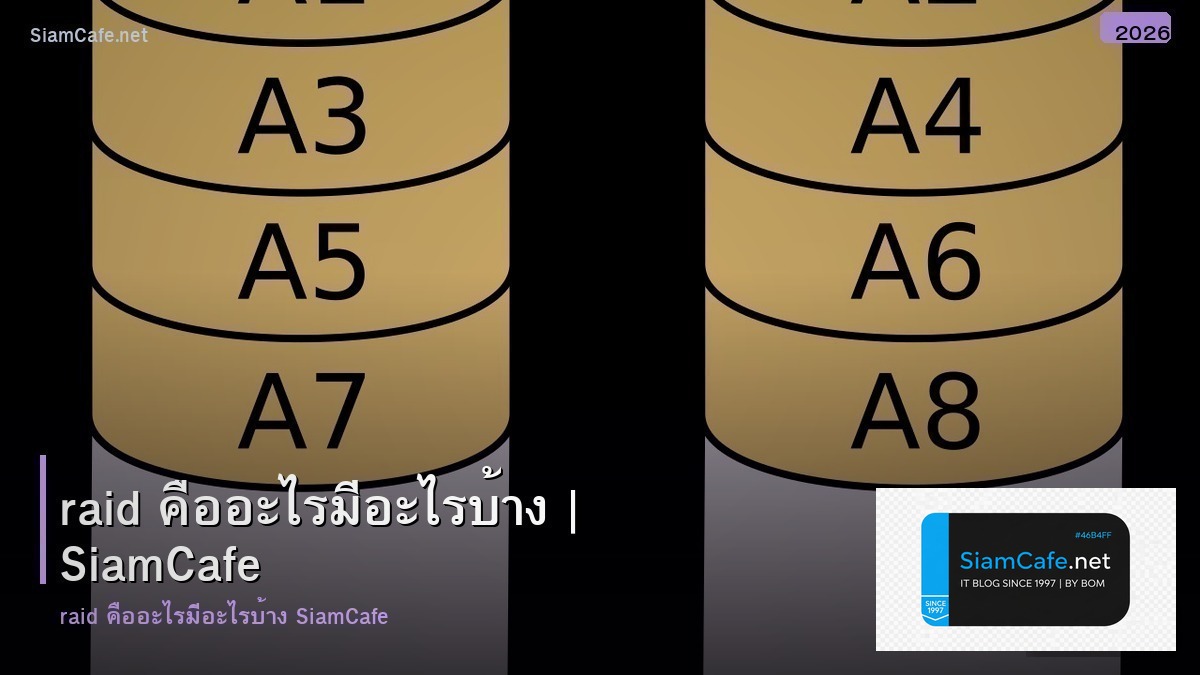

raid คืออะไรมีอะไรบ้างคืออะไร — ทำความเข้าใจจากพื้นฐาน

raid คืออะไรมีอะไรบ้าง เป็นเทคโนโลยีที่สำคัญในวงการ IT Infrastructure และ DevOps ปัจจุบันจากประสบการณ์ดูแลระบบ IT มากว่า 30 ปีและวางระบบให้องค์กรกว่า 600 แห่งทั่วประเทศผมพบว่า raid คืออะไรมีอะไรบ้างช่วยเพิ่มประสิทธิภาพการทำงานและลดต้นทุนได้อย่างมีนัยสำคัญ
ในยุค Cloud Native และ Microservices ที่ตลาด Cloud Computing มีมูลค่ากว่า 832 พันล้านดอลลาร์ (Gartner 2025) raid คืออะไรมีอะไรบ้างมีบทบาทสำคัญในการสร้างระบบที่มี scalability สูง reliability ดีและ maintain ง่ายองค์กรชั้นนำทั่วโลกอย่าง Google, Netflix, Amazon, Spotify ล้วนใช้เทคโนโลยีเดียวกันนี้
บทความนี้จะพาคุณเรียนรู้ raid คืออะไรมีอะไรบ้างตั้งแต่พื้นฐานการติดตั้งการตั้งค่า Best Practices ไปจนถึง Production Deployment พร้อมตัวอย่างโค้ดและ configuration ที่ใช้ได้จริง
System Requirements
| Component | Minimum | Recommended (Production) |
|---|---|---|
| CPU | 2 cores | 8+ cores |
| RAM | 4 GB | 16+ GB |
| Disk | 50 GB SSD | 100+ GB NVMe SSD |
| OS | Ubuntu 22.04+ / Rocky 9+ | Ubuntu 24.04 LTS |
| Network | 100 Mbps | 1 Gbps+ |
ติดตั้งบน Ubuntu/Debian
═══════════════════════════════════════
raid คือ อะไร มี อะไร บ้าง Installation — Ubuntu/Debian
═══════════════════════════════════════
1. Update system
sudo apt update && sudo apt upgrade -y2. Install prerequisites
sudo apt install -y curl wget gnupg2 software-properties-common \apt-transport-https ca-certificates git jq unzip
หรือถ้าต้องการติดตั้งแบบ manual:
ติดตั้งบน CentOS/Rocky Linux/AlmaLinux
═══════════════════════════════════════
raid คือ อะไร มี อะไร บ้าง Installation — RHEL-based
═══════════════════════════════════════
1. Update system
sudo dnf update -y2. Install prerequisites
sudo dnf install -y curl wget git jqConfiguration File
# ═══════════════════════════════════════

server:
 bind: "0.0.0.0"
 port: 3000
 workers: auto # = number of CPU cores
 max_connections: 10000
 read_timeout: 30s
 write_timeout: 30s
 idle_timeout: 120s

logging:
 level: info # debug, info, warn, error
 format: json
 max_size: 100M
 max_backups: 5
 max_age: 30 # days
 compress: true

security:
 tls:
 enabled: true
 min_version: "1.2"
 auth:
 type: token
 secret:
 cors:
 allowed_origins: ["https://yourdomain.com"]
 allowed_methods: ["GET", "POST", "PUT", "DELETE"]

database:
 driver: postgres
 host: localhost
 port: 5432
 password:
 max_open_conns: 25
 max_idle_conns: 5
 conn_max_lifetime: 5m

cache:
 driver: redis
 host: localhost
 port: 6379
 db: 0
 max_retries: 3

monitoring:
 prometheus:
 enabled: true
 port: 9090
 path: /metrics
 healthcheck:
 enabled: true
 path: /health
 interval: 10s
Production Architecture — High Availability Setup
# docker-compose.production.yml
# ═══════════════════════════════════════
version: '3.8'

services:
 deploy:
 replicas: 3
 resources:
 limits:
 cpus: '8.0'
 memory: 16G
 reservations:
 cpus: '1.0'
 memory: 2G
 restart_policy:
 condition: on-failure
 delay: 5s
 max_attempts: 3
 ports:
 - "3000:3000"
 environment:
 - NODE_ENV=production
 - DB_HOST=db
 - REDIS_HOST=redis
 healthcheck:
 test: ["CMD", "curl", "-f", "http://localhost:3000/health"]
 interval: 10s
 timeout: 5s
 retries: 3
 start_period: 30s
 depends_on:
 db:
 condition: service_healthy
 redis:
 condition: service_healthy
 networks:
 - app-network

 db:
 image: postgres:16-alpine
 volumes:
 - db_data:/var/lib/postgresql/data
 environment:
 POSTGRES_PASSWORD_FILE: /run/secrets/db_password
 healthcheck:
 interval: 5s
 timeout: 3s
 retries: 5
 deploy:
 resources:
 limits:
 memory: 4G
 networks:
 - app-network

 redis:
 image: redis:7-alpine
 command: >
 redis-server
 --maxmemory 512mb
 --maxmemory-policy allkeys-lru
 --appendonly yes
 --requirepass
 volumes:
 - redis_data:/data
 healthcheck:
 test: ["CMD", "redis-cli", "ping"]
 interval: 5s
 timeout: 3s
 retries: 5
 networks:
 - app-network

 nginx:
 image: nginx:alpine
 ports:
 - "443:443"
 - "80:80"
 volumes:
 - ./nginx.conf:/etc/nginx/nginx.conf:ro
 - ./ssl:/etc/ssl:ro
 depends_on:
 networks:
 - app-network

volumes:
 db_data:
 redis_data:

networks:
 app-network:
 driver: overlay
High Availability Design
| Component | Strategy | RTO | RPO | Tools |
|---|---|---|---|---|
| Application | 3 replicas + Load Balancer | < 5s | 0 | Docker Swarm / K8s |
| Database | Primary-Replica + Auto-failover | < 30s | < 1s | Patroni / PgBouncer |
| Cache | Redis Sentinel / Cluster | < 10s | N/A | Redis Sentinel |
| Storage | RAID 10 + Daily backup to S3 | < 1h | < 24h | restic / borgbackup |
| DNS | Multi-provider DNS failover | < 60s | N/A | CloudFlare + Route53 |
Security Hardening Checklist
# ═══════════════════════════════════════
# Security Hardening for raid คือ อะไร มี อะไร บ้าง
# ═══════════════════════════════════════

# 1. Firewall (UFW)
sudo ufw default deny incoming
sudo ufw default allow outgoing
sudo ufw allow 22/tcp comment "SSH"
sudo ufw allow 443/tcp comment "HTTPS"
sudo ufw allow 3000/tcp comment "raid คือ อะไร มี อะไร บ้าง"
sudo ufw enable
sudo ufw status verbose

# 2. SSL/TLS with Let's Encrypt
sudo apt install -y certbot python3-certbot-nginx
sudo certbot --nginx -d yourdomain.com -d www.yourdomain.com \
 --non-interactive --agree-tos --email admin@yourdomain.com
# Auto-renewal
sudo systemctl enable certbot.timer

# 3. SSH Hardening
sudo cp /etc/ssh/sshd_config /etc/ssh/sshd_config.bak
sudo tee -a /etc/ssh/sshd_config.d/hardening.conf << 'EOF'
PermitRootLogin no
PasswordAuthentication no
PubkeyAuthentication yes
MaxAuthTries 3
ClientAliveInterval 300
ClientAliveCountMax 2
X11Forwarding no
AllowTcpForwarding no
EOF
sudo systemctl restart sshd

# 4. fail2ban
sudo apt install -y fail2ban
sudo tee /etc/fail2ban/jail.local << 'EOF'
[DEFAULT]
bantime = 3600
findtime = 600
maxretry = 3

[sshd]
enabled = true
port = 22
filter = sshd
logpath = /var/log/auth.log
maxretry = 3
bantime = 86400
EOF
sudo systemctl enable --now fail2ban

# 5. Automatic Security Updates
sudo apt install -y unattended-upgrades
sudo dpkg-reconfigure -plow unattended-upgrades

# 7. Audit logging
sudo apt install -y auditd
sudo systemctl enable --now auditd
Monitoring Stack — Prometheus + Grafana
# prometheus.yml
# ═══════════════════════════════════════
global:
 scrape_interval: 15s
 evaluation_interval: 15s

rule_files:
 - "alerts.yml"

alerting:
 alertmanagers:
 - static_configs:
 - targets: ['alertmanager:9093']

scrape_configs:
 scrape_interval: 10s
 static_configs:
 - targets: ['localhost:3000']
 metrics_path: '/metrics'

 - job_name: 'node-exporter'
 static_configs:
 - targets: ['localhost:9100']

 - job_name: 'postgres'
 static_configs:
 - targets: ['localhost:9187']
# alerts.yml — Alert Rules
# ═══════════════════════════════════════
groups:
rules:
- alert: HighCPU
for: 5m
labels:
severity: warning
annotations:
- alert: HighMemory
for: 5m
labels:
severity: warning
- alert: ServiceDown
for: 1m
labels:
severity: critical
annotations:Grafana Dashboard: Import dashboard ID: 88198
ปัญหาที่พบบ่อยและวิธีแก้
| ปัญหา | สาเหตุ | วิธีวินิจฉัย | วิธีแก้ |
|---|---|---|---|
| Service ไม่ start | Config ผิด / Port ชน / Permission | ตรวจ config, ตรวจ port, ตรวจ permission | |
| Performance ช้า | Resource ไม่พอ / Query ช้า | htop, iostat -x 1, pg_stat_activity | เพิ่ม resource, optimize query, เพิ่ม index |
| Connection refused | Firewall / Bind address / Service down | ss -tlnp | grep 3000, ufw status | ตรวจ firewall, ตรวจ bind address |
| Out of memory (OOM) | Memory leak / Config ไม่เหมาะ | free -h, dmesg | grep -i oom | ปรับ memory limits, ตรวจ memory leak |
| Disk full | Log ไม่ rotate / Data โต | df -h, du -sh /var/log/* | ตั้ง logrotate, ลบ old data, เพิ่ม disk |
| SSL certificate expired | Certbot ไม่ renew | certbot certificates | certbot renew --force-renewal |
FAQ — คำถามที่ถามบ่อยเกี่ยวกับ raid คืออะไรมีอะไรบ้าง
Q: raid คืออะไรมีอะไรบ้างเหมาะกับมือใหม่ไหม?
A: ได้ครับถ้ามีพื้นฐาน Linux เบื้องต้น (command line, file system, process management) ใช้เวลาเรียนรู้ 1-2 สัปดาห์ก็ใช้งานได้แนะนำเริ่มจาก Docker ก่อนเพราะติดตั้งง่ายและ isolate จากระบบหลัก
Q: ใช้กับ Docker ได้ไหม?
A: ได้เลยครับมี official Docker image: แนะนำใช้ Docker สำหรับ development และ Docker Swarm/Kubernetes สำหรับ production
Q: ต้องใช้ server spec เท่าไหร่?
A: ขั้นต่ำ 2 CPU, 4GB RAM, 50GB SSD สำหรับ development สำหรับ production แนะนำ 8+ CPU, 16+ GB RAM, 100+ GB NVMe SSD
Q: มี GUI ไหม?
A: ส่วนใหญ่จะใช้ CLI เป็นหลักแต่สามารถใช้ Grafana Dashboard สำหรับ monitoring และ Portainer สำหรับ Docker management ได้
Q: ใช้ Cloud provider ไหนดี?
A: ขึ้นอยู่กับงบและความต้องการ AWS มี service ครบที่สุด GCP ดีสำหรับ Kubernetes DigitalOcean/Vultr ราคาถูกเหมาะกับ startup สำหรับไทยแนะนำ DigitalOcean Singapore region (latency ต่ำ)
สรุป raid คืออะไรมีอะไรบ้าง — Action Plan สำหรับ IT Professional
raid คืออะไรมีอะไรบ้างเป็นเทคโนโลยีที่คุ้มค่าที่จะเรียนรู้ช่วยให้ระบบ IT ของคุณมีประสิทธิภาพปลอดภัยและ scale ได้ง่ายไม่ว่าคุณจะเป็น System Admin, DevOps Engineer หรือ Developer การเข้าใจ raid คืออะไรมีอะไรบ้างจะเพิ่มมูลค่าให้กับตัวคุณในตลาดแรงงาน IT
Action Plan
- สัปดาห์ที่ 1: ติดตั้งและทดลองใน lab environment (Docker บน laptop)
- สัปดาห์ที่ 2: ศึกษา configuration และ best practices
- สัปดาห์ที่ 3: ตั้งค่า monitoring (Prometheus + Grafana)
- สัปดาห์ที่ 4: Security hardening + backup strategy
- เดือนที่ 2: Deploy staging environment
- เดือนที่ 3: Deploy production เมื่อมั่นใจ + เขียน documentation
"Programs must be written for people to read, and only incidentally for machines to execute." — Harold Abelson
อ่านเพิ่มเติม: |
raid คืออะไรมีอะไรบ้าง
การใช้งานเทคโนโลยีนี้ในปัจจุบันมีความสำคัญอย่างมากสำหรับองค์กรทุกขนาดไม่ว่าจะเป็นธุรกิจขนาดเล็กกลางหรือใหญ่การเรียนรู้และทำความเข้าใจหลักการทำงานพื้นฐานจะช่วยให้คุณสามารถนำไปประยุกต์ใช้ได้อย่างมีประสิทธิภาพมากยิ่งขึ้นข้อดีของระบบคือความเร็วสูงความแม่นยำดีลดข้อผิดพลาดที่เกิดจากการทำงาน
ด้วยมือทำให้ทีมงานสามารถมุ่งเน้นไปที่งานที่มีมูลค่าเพิ่มสูงกว่าได้ความยืดหยุ่นสามารถปรับแต่งและขยายขนาดได้ตามความต้องการรองรับการเติบโตของธุรกิจในอนาคตไม่ว่าจะเป็นการเพิ่มผู้ใช้งานหรือเพิ่มปริมาณข้อมูลช่วยลดค่าใช้จ่ายในการดำเนินงานทั้งในระยะสั้นและระยะยาวการลงทุนเริ่มต้นอาจ
เคล็ดลับการใช้ raid คืออะไรมีอะไรบ้าง
สูงแต่ผลตอบแทนในระยะยาวคุ้มค่ามีระบบรักษาความปลอดภัยที่แข็งแกร่งรองรับมาตรฐานสากลด้านความปลอดภัยข้อมูลช่วยปกป้องข้อมูลสำคัญขององค์กรช่วยให้ทีมงานสามารถทำงานร่วมกันได้อย่างราบรื่นไม่ว่าจะอยู่ที่ไหนัก็สามารถเข้าถึงได้ก่อนเริ่มต้นใช้งานควรตรวจสอบความต้องการของระบบทรัพยากรที่จำเป็นและ
ทำความเข้าใจกับข้อกำหนดเบื้องต้นการเตรียมตัวที่ดีจะช่วยลดปัญหาที่อาจเกิดขึ้นในภายหลังควรจัดทำรายการตรวจสอบเพื่อให้แน่ใจว่าทุกอย่างพร้อมการติดตั้งและตั้งค่าเริ่มต้นเป็นขั้นตอนที่สำคัญควรทำตามเอกสารประกอบอย่างละเอียดและทดสอบการทำงานทุกขั้นตอนหากพบปัญหาควรแก้ไขทันทีก่อน
ข้อควรระวังเมื่อใช้ raid คืออะไรมีอะไรบ้าง
ดำเนินการในขั้นตอนถัดไปการตั้งค่าที่ถูกต้องตั้งแต่เริ่มต้นจะช่วย