mTLS Service Mesh Clean Architecture


mTLS Service Mesh Clean Architecture คืออะไร — ทำความเข้าใจพื้นฐาน
mTLS Service Mesh Clean Architecture เป็นแนวทางที่ผสมผสานความรู้ด้าน Mtls Service Mesh Clean Architecture เข้ากับหลักปฏิบัติจริงในระบบ production เพื่อสร้างระบบที่มีเสถียรภาพ รองรับการขยายตัวได้ดี และดูแลรักษาง่ายในระยะยาว
แนวคิดหลักคือการนำเครื่องมือและเทคนิคที่ผ่านการพิสูจน์แล้วมาประยุกต์ใช้กับโครงสร้างพื้นฐานขององค์กร โดยเน้นที่ automation, monitoring และ recovery เป็นหลัก
อ่านเพิ่ม: ขึ้นเช็คต่างธนาคารได้ไหม | SiamCafe Blog · อ่านเพิ่ม: ทาการบาน | SiamCafe Blog · อ่านเพิ่ม: คนอเมรกน | SiamCafe Blog
ในสภาพแวดล้อมจริงการนำ mTLS Service Mesh Clean Architecture ไปใช้ต้องคำนึงถึงหลายปัจจัย ทั้งขนาดของระบบ จำนวนผู้ใช้งานพร้อมกัน ปริมาณข้อมูล และข้อจำกัดด้านทรัพยากร ซึ่งแต่ละองค์กรมีความต้องการแตกต่างกัน
Mtls Service Mesh Clean Architecture ถูกพัฒนาขึ้นเพื่อตอบโจทย์เหล่านี้โดยเฉพาะ ด้วยสถาปัตยกรรมที่ออกแบบมาให้ยืดหยุ่นและขยายตัวได้ตามความต้องการโดยไม่ต้องเปลี่ยนแปลงโครงสร้างหลักของระบบ
ทำไม mTLS Service Mesh Clean Architecture ถึงสำคัญ — สถาปัตยกรรมและหลักการทำงาน
ความสำคัญของ mTLS Service Mesh Clean Architecture อยู่ที่การแก้ปัญหาที่องค์กรเผชิญอยู่ทุกวัน ไม่ว่าจะเป็นเรื่องของ system downtime, การ scale ระบบ, ความปลอดภัย หรือการจัดการ configuration ที่ซับซ้อน ทั้งหมดนี้ Mtls Service Mesh Clean Architecture มีเครื่องมือและแนวทางที่ช่วยจัดการได้อย่างเป็นระบบ
สถาปัตยกรรมของ mTLS Service Mesh Clean Architecture ประกอบด้วยส่วนหลักๆดังนี้:
- Control Plane — ส่วนที่ควบคุมและจัดการ configuration ทั้งหมดของระบบ รับผิดชอบการตัดสินใจว่า request แต่ละตัวควรถูกส่งไปที่ไหนและจัดการอย่างไร
- Data Plane — ส่วนที่จัดการ traffic จริง ประมวลผลข้อมูลและส่งต่อระหว่าง service ต่างๆในระบบ
- Observability Layer — ระบบ monitoring ที่เก็บ metrics, logs และ traces สำหรับวิเคราะห์ performance และตรวจจับปัญหา
- Security Layer — จัดการ authentication, authorization และ encryption ระหว่าง service
การทำงานร่วมกันของส่วนประกอบเหล่านี้ทำให้ mTLS Service Mesh Clean Architecture สามารถจัดการระบบที่มีความซับซ้อนสูงได้อย่างมีประสิทธิภาพ โดยผู้ดูแลระบบไม่ต้องเข้าไปแก้ไขทีละจุดแต่สามารถกำหนดนโยบายจากส่วนกลางและให้ระบบทำงานตามอัตโนมัติ
ข้อดีหลักของสถาปัตยกรรมนี้คือความสามารถในการ scale แบบ horizontal ได้โดยไม่ต้องเปลี่ยนแปลง code เพียงเพิ่ม node เข้าไปในระบบก็สามารถรองรับ load ที่เพิ่มขึ้นได้ทันที
การติดตั้งและตั้งค่า mTLS Service Mesh Clean Architecture — ขั้นตอนจริง
การเริ่มต้นใช้งาน mTLS Service Mesh Clean Architecture ต้องเตรียมสภาพแวดล้อมให้พร้อมก่อน ซึ่งรวมถึงการติดตั้ง dependencies ที่จำเป็น การตั้งค่า configuration และการทดสอบว่าระบบทำงานได้ถูกต้อง
ขั้นตอนการติดตั้งที่แนะนำมีดังนี้:
- ตรวจสอบ system requirements — CPU อย่างน้อย 2 cores, RAM 4GB ขึ้นไป, disk space 20GB
- ติดตั้ง dependencies ที่จำเป็น — Docker, Docker Compose, Python 3.8+
- Clone repository หรือสร้าง configuration files
- รัน initial setup และทดสอบ
ตัวอย่าง configuration สำหรับ mTLS Service Mesh Clean Architecture ที่ใช้งานจริง:
Mtls Service Mesh Clean Architecture Setup Script
configuration ข้างต้นเป็นตัวอย่างที่สามารถนำไปปรับใช้ได้ทันที โดยค่าที่ต้องเปลี่ยนคือ credentials และ endpoint ต่างๆให้ตรงกับระบบของคุณ ควรเก็บ sensitive data ใน environment variables หรือ secret manager แทนการ hardcode ไว้ใน config file
หลังจากตั้งค่าเสร็จแล้ว สามารถรันคำสั่ง docker compose up -d เพื่อเริ่มต้นระบบ จากนั้นตรวจสอบสถานะด้วย docker compose ps ว่า service ทั้งหมดขึ้นมาอย่างถูกต้อง
การใช้งาน mTLS Service Mesh Clean Architecture ขั้นสูง — เทคนิคและ Best Practices
เมื่อตั้งค่าพื้นฐานเรียบร้อยแล้ว ขั้นตอนถัดไปคือการนำ mTLS Service Mesh Clean Architecture ไปใช้งานจริงอย่างเต็มประสิทธิภาพ ซึ่งต้องอาศัยความเข้าใจในด้าน performance tuning, error handling และ automation
Best practices ที่สำคัญสำหรับ mTLS Service Mesh Clean Architecture:
- ใช้ Infrastructure as Code (IaC) — กำหนด configuration ทั้งหมดเป็น code เก็บใน version control เพื่อให้สามารถ track changes, rollback และ reproduce environment ได้
- ตั้ง monitoring ตั้งแต่วันแรก — อย่ารอให้มีปัญหาแล้วค่อยตั้ง ให้เก็บ metrics, logs และ traces ตั้งแต่เริ่มต้น
- ทำ automated testing — ทั้ง unit tests, integration tests และ end-to-end tests เพื่อให้มั่นใจว่า configuration ใหม่ไม่ทำลายระบบเดิม
- วาง disaster recovery plan — เตรียมแผนสำรองสำหรับทุกสถานการณ์ที่อาจเกิดขึ้น ทดสอบ recovery process เป็นประจำ
- ใช้ GitOps workflow — ให้ Git repository เป็น single source of truth สำหรับ configuration ทั้งหมด
ตัวอย่าง code สำหรับการใช้งานขั้นสูง:
Mtls Service Mesh Clean Architecture Automation Script
code ข้างต้นแสดงถึงแนวทางการเขียนระบบที่ production-ready โดยมีการจัดการ error อย่างครบถ้วน มี logging สำหรับ debugging และมีโครงสร้างที่ขยายต่อได้ง่าย ให้สังเกตว่ามีการแยก concerns ออกจากกันอย่างชัดเจน ทำให้แต่ละส่วนสามารถ test และปรับปรุงได้อิสระ
การ Monitor และ Troubleshoot mTLS Service Mesh Clean Architecture
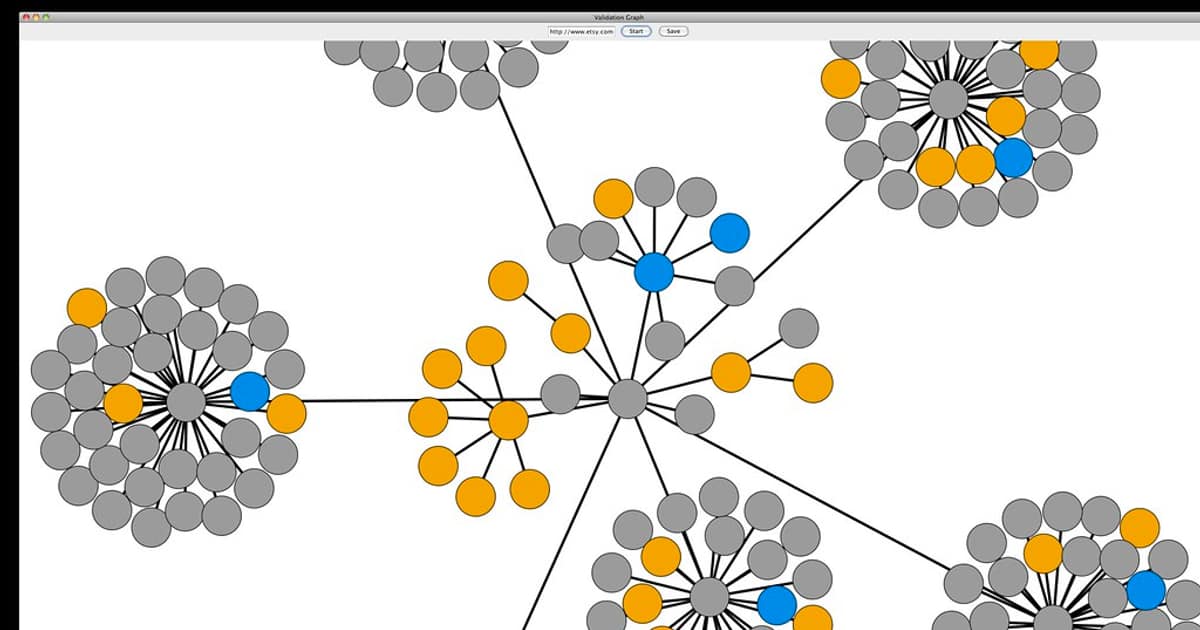
การ monitoring เป็นหัวใจสำคัญของการดูแลระบบ mTLS Service Mesh Clean Architecture ให้ทำงานได้อย่างราบรื่น คุณต้องมี visibility ในทุกส่วนของระบบเพื่อตรวจจับและแก้ไขปัญหาได้อย่างรวดเร็ว
Metrics หลักที่ต้อง monitor สำหรับ mTLS Service Mesh Clean Architecture:
- Latency (P50, P95, P99) — วัดเวลาตอบสนองของระบบ ค่าที่ดีคือ P99 ไม่เกิน 200ms สำหรับ API calls ทั่วไป
- Error Rate — อัตราส่วน request ที่ล้มเหลว ค่าที่ยอมรับได้ควรต่ำกว่า 0.1% สำหรับ production
- Throughput — จำนวน request ต่อวินาทีที่ระบบรองรับได้ ควร monitor เทียบกับ capacity ที่วางไว้
- Resource Utilization — CPU, memory, disk I/O ของแต่ละ service
- Queue Depth — จำนวนงานที่รอ process อยู่ใน queue ถ้าเพิ่มขึ้นเรื่อยๆแสดงว่า consumers ประมวลผลไม่ทัน
Mtls Service Mesh Clean Architecture Docker Compose
version: "3.8"
services:
  mtls-service-mesh-clean-architecture-server:
    image: mtls-service-mesh-clean-architecture/mtls-service-mesh-clean-architecture:latest
    ports:
      - "8080:8080"
    environment:
      - DATABASE_URL=postgresql://admin:secret@db:5432/mtls-service-mesh-clean-architecture_db
      - REDIS_URL=redis://redis:6379/0
      - LOG_LEVEL=info
    volumes:
      - ./mtls-service-mesh-clean-architecture-data:/app/data
    depends_on:
      - db
      - redis
    restart: unless-stopped
    healthcheck:
      test: ["CMD", "curl", "-f", "http://localhost:8080/health"]
      interval: 30s
      timeout: 10s
      retries: 3

  db:
    image: postgres:16-alpine
    environment:
      POSTGRES_DB: mtls-service-mesh-clean-architecture_db
      POSTGRES_USER: admin
      POSTGRES_PASSWORD: secret
    volumes:
      - pgdata:/var/lib/postgresql/data
    healthcheck:
      test: ["CMD-SHELL", "pg_isready -U admin"]
      interval: 10s

  redis:
    image: redis:7-alpine
    command: redis-server --maxmemory 256mb --maxmemory-policy allkeys-lru

volumes:
  pgdata:
เมื่อเกิดปัญหาในระบบ mTLS Service Mesh Clean Architecture ให้ทำตามขั้นตอน troubleshooting นี้:
- ตรวจสอบ logs — ดู error logs ล่าสุดเพื่อหาสาเหตุ ใช้คำสั่ง
docker compose logs --tail=100 -f - ตรวจสอบ resource usage — ดูว่า CPU, memory หรือ disk เต็มหรือไม่ ใช้
htopและdf -h - ตรวจสอบ network connectivity — ทดสอบว่า service ต่างๆสื่อสารกันได้ ใช้
curlหรือtelnet - ตรวจสอบ configuration — ดูว่า config ล่าสุดที่ deploy ไปมีปัญหาหรือไม่ เทียบกับ version ก่อนหน้า
- Rollback ถ้าจำเป็น — ถ้าระบุสาเหตุไม่ได้ภายใน 15 นาที ให้ rollback ไปใช้ version ก่อนหน้าก่อน แล้วค่อยแก้ไขทีหลัง
1. mTLS Service Mesh Clean Architecture เหมาะกับโปรเจกต์ขนาดไหน?
mTLS Service Mesh Clean Architecture สามารถใช้ได้ตั้งแต่โปรเจกต์ขนาดเล็กไปจนถึงระดับ enterprise ขนาดใหญ่ สำหรับทีมเล็กๆสามารถเริ่มจาก configuration พื้นฐานก่อนแล้วค่อยขยายเมื่อระบบเติบโต ข้อดีคือสถาปัตยกรรมถูกออกแบบมาให้ scale ได้โดยไม่ต้องเปลี่ยนแปลงโครงสร้างหลัก
2. ต้องมีความรู้พื้นฐานอะไรบ้างก่อนเริ่มใช้ mTLS Service Mesh Clean Architecture?
ควรมีความรู้พื้นฐานด้าน Linux command line, Docker, และแนวคิด networking เบื้องต้น สำหรับการใช้งานขั้นสูงควรเข้าใจ CI/CD pipeline, Infrastructure as Code และ monitoring concepts ด้วย แนะนำให้ศึกษาจาก documentation อย่างเป็นทางการก่อนเริ่มลงมือทำ
3. mTLS Service Mesh Clean Architecture ต่างจากเครื่องมืออื่นในกลุ่มเดียวกันอย่างไร?
Mtls Service Mesh Clean Architecture มีจุดเด่นที่ความยืดหยุ่นในการปรับแต่ง community ที่แข็งแกร่ง และ ecosystem ของ plugins/extensions ที่หลากหลาย เมื่อเทียบกับทางเลือกอื่นๆ Mtls Service Mesh Clean Architecture มักได้คะแนนสูงในด้าน ease of use และ documentation ที่ครบถ้วน ทำให้เหมาะกับทีมที่ต้องการเริ่มใช้งานได้เร็ว
4. การ deploy mTLS Service Mesh Clean Architecture ใน production มีข้อควรระวังอะไร?
ข้อควรระวังหลักๆคือต้องทดสอบใน staging environment ก่อน deploy ไป production เสมอ ตั้ง resource limits ให้เหมาะสม มี backup plan กรณีที่ต้อง rollback เปิด monitoring ตั้งแต่วันแรก และอย่าลืมตั้ง alerting สำหรับ critical metrics เพื่อให้สามารถตอบสนองต่อปัญหาได้ทันเวลา
5. มี community ภาษาไทยสำหรับ mTLS Service Mesh Clean Architecture ไหม?
มี community คนไทยที่สนใจ Mtls Service Mesh Clean Architecture อยู่หลายกลุ่ม ทั้งบน Facebook Groups, Discord servers และ LINE OpenChat สามารถแลกเปลี่ยนความรู้ ถามคำถาม และแชร์ประสบการณ์กับผู้ใช้งานคนอื่นได้ นอกจากนี้ SiamCafe.net ยังมีบทความเทคนิคภาษาไทยที่อัปเดตอย่างสม่ำเสมออีกด้วย