Demand Supply Zone ดู — วิธีหา Zone อุปสงค์อุปทาน 2026

Demand Zone และ Supply Zone เป็นแนวคิดสำคัญใน Price Action Trading ที่พัฒนามาจาก Support/Resistance แบบดั้งเดิม Demand Zone คือบริเวณที่มีแรงซื้อมาก (demand) ทำให้ราคาดีดตัวขึ้น Supply Zone คือบริเวณที่มีแรงขายมาก (supply) ทำให้ราคาตกลง การระบุ Demand/Supply Zone ช่วยให้เทรดเดอร์หาจุด entry ที่มี risk/reward ดี เพราะ zone เหล่านี้เป็นบริเวณที่ institutional traders (สถาบัน) วาง orders ไว้ บทความนี้อธิบายวิธีหาและใช้ Demand Supply Zone พร้อม Python tools
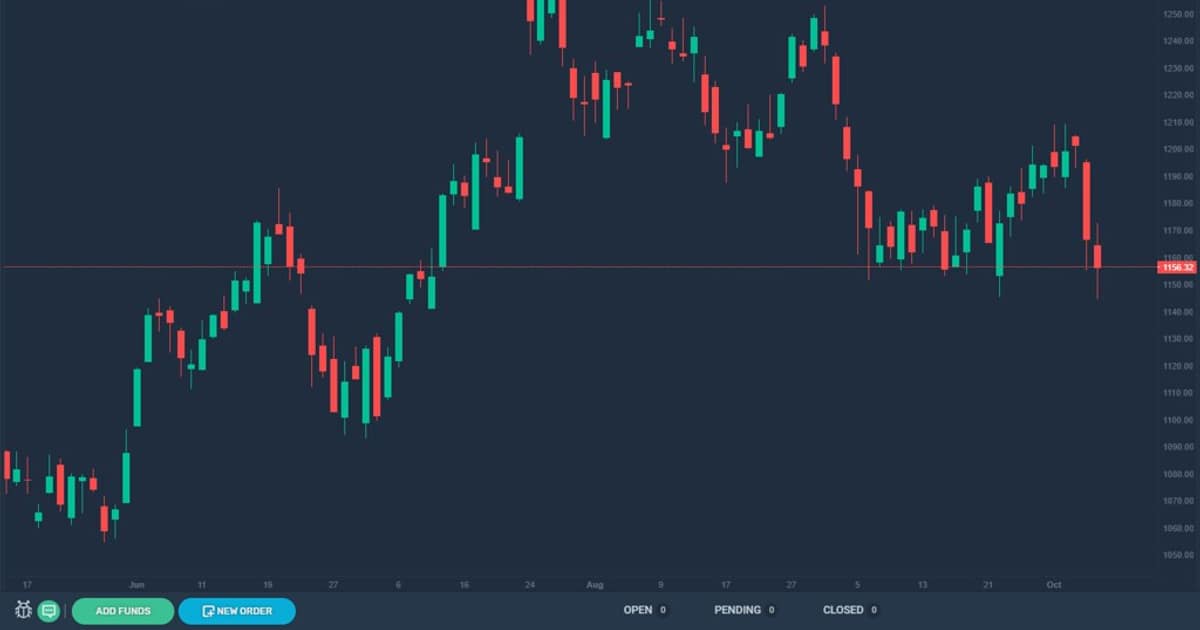
Demand Zone vs Supply Zone
# zones.py — Demand and Supply Zone fundamentals
import json
class DemandSupplyZones:
DEMAND_ZONE = {
"definition": "บริเวณที่มีแรงซื้อมาก — ราคาดีดตัวขึ้นจากจุดนี้",
"formation": "ราคาลงมาหยุด → consolidate → ดีดตัวขึ้นแรง (rally)",
"appearance": "กรอบราคาก่อนที่ราคาจะพุ่งขึ้น — ใช้ base candles เป็นขอบเขต",
"action": "Buy เมื่อราคากลับมาที่ Demand Zone (pullback)",
"psychology": "สถาบันวาง buy orders ไว้ — เมื่อราคากลับมา orders ถูก fill → ราคาขึ้น",
}
SUPPLY_ZONE = {
"definition": "บริเวณที่มีแรงขายมาก — ราคาตกจากจุดนี้",
"formation": "ราคาขึ้นมาหยุด → consolidate → ตกลงแรง (drop)",
"appearance": "กรอบราคาก่อนที่ราคาจะตกลง — ใช้ base candles เป็นขอบเขต",
"action": "Sell เมื่อราคากลับมาที่ Supply Zone (pullback)",
"psychology": "สถาบันวาง sell orders ไว้ — เมื่อราคากลับมา orders ถูก fill → ราคาลง",
}
PATTERNS = {
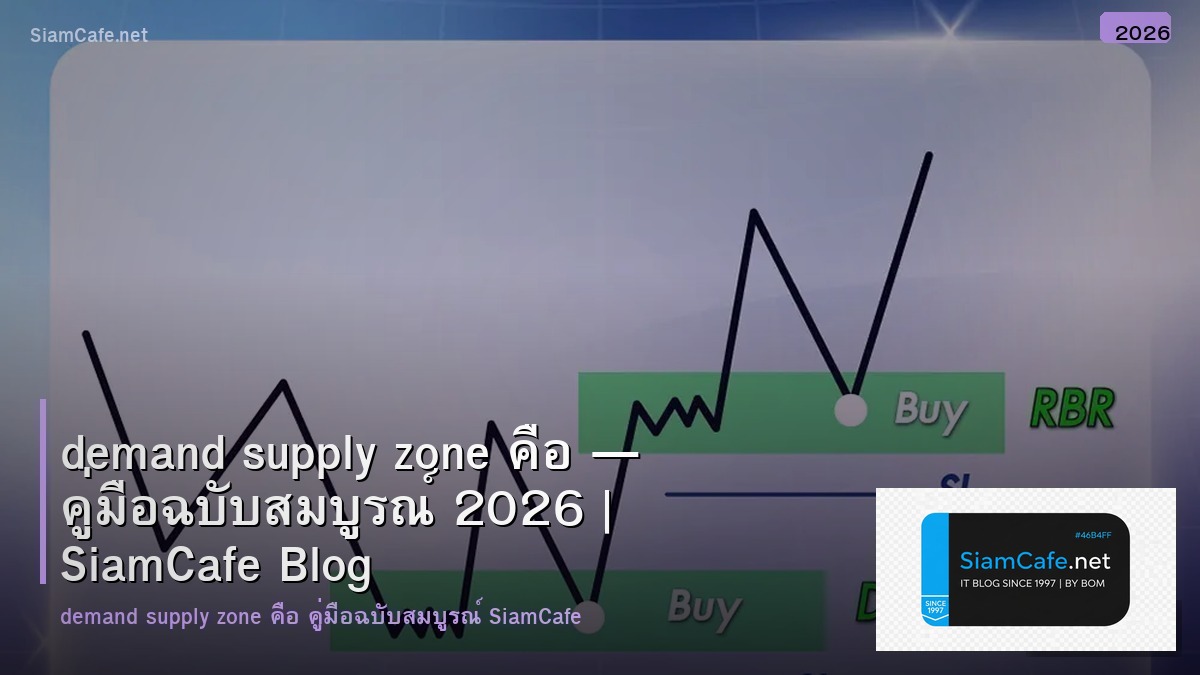
"rally_base_rally": {
"name": "Rally-Base-Rally (RBR)",
"type": "Demand Zone (continuation)",
"description": "ราคาขึ้น → หยุดพัก (base) → ขึ้นต่อ — base = demand zone",
},
"drop_base_rally": {
"name": "Drop-Base-Rally (DBR)",
"type": "Demand Zone (reversal)",
"description": "ราคาลง → หยุดพัก (base) → กลับตัวขึ้น — base = strong demand zone",
},
"drop_base_drop": {
"name": "Drop-Base-Drop (DBD)",
"type": "Supply Zone (continuation)",
"description": "ราคาลง → หยุดพัก (base) → ลงต่อ — base = supply zone",
},
"rally_base_drop": {
"name": "Rally-Base-Drop (RBD)",
"type": "Supply Zone (reversal)",
"description": "ราคาขึ้น → หยุดพัก (base) → กลับตัวลง — base = strong supply zone",
},
}
def show_zones(self):
print("=== Demand Zone ===")
for key, val in self.DEMAND_ZONE.items():
print(f" [{key}] {val}")
print(f"\n=== Supply Zone ===")
for key, val in self.SUPPLY_ZONE.items():
print(f" [{key}] {val}")
def show_patterns(self):
print(f"\n=== Zone Patterns ===")
for key, p in self.PATTERNS.items():
print(f"\n[{p['name']}] ({p['type']})")
print(f" {p['description']}")
zones = DemandSupplyZones()
zones.show_zones()
zones.show_patterns()
วิธีหา Demand Supply Zone
# find_zones.py — How to find demand/supply zones
import json
class FindZones:
STEPS = {
"step1": {
"name": "1. หา Strong Move (แท่งเทียนยาว)",
"description": "มองหาแท่งเทียนยาวที่เคลื่อนที่เร็ว (explosive move) — ขึ้นหรือลงแรง",
"tip": "ยิ่งแท่งยาว = ยิ่งมี institutional orders มาก",
},
"step2": {
"name": "2. หา Base (กรอบราคาก่อน move)",
"description": "มองย้อนกลับไปก่อน explosive move — หา candles ที่ consolidate (แท่งเล็กๆ)",
"tip": "Base = 1-5 candles ที่อยู่ในกรอบแคบก่อน move",
},
"step3": {
"name": "3. วาด Zone",
"description": "ใช้ high ของ base candle สูงสุด = zone บน, low ของ base candle ต่ำสุด = zone ล่าง",
"tip": "Zone ควรแคบ — ไม่กว้างเกินไป (ยิ่งแคบ = ยิ่ง precise)",
},
"step4": {
"name": "4. ตรวจสอบ Freshness",
"description": "Zone ที่ยังไม่เคยถูก test (ราคาไม่เคยกลับมา) = fresh zone = แข็งแรงที่สุด",
"tip": "Zone ที่ถูก test แล้ว 1 ครั้งยังใช้ได้ — ถูก test 2+ ครั้ง = อ่อนแล้ว",
},
"step5": {
"name": "5. ตรวจสอบ Strength",
"description": "ดู departure move (การออกจาก zone) — ยิ่งแรงและเร็ว = zone ยิ่งแข็งแรง",
"tip": "Multiple consecutive same-direction candles = strong departure",
},
}
QUALITY_FACTORS = {
"freshness": "Zone ที่ยังไม่เคยถูก test = ดีที่สุด",
"departure_strength": "Move ออกจาก zone แรงแค่ไหน — 3+ candles = strong",
"time_in_base": "Base สั้น (1-3 candles) ดีกว่า base ยาว (5+ candles)",
"higher_timeframe": "Zone บน timeframe ใหญ่ (Daily, Weekly) แข็งแรงกว่า timeframe เล็ก",
"trend_alignment": "Zone ที่ตรงกับ trend ใหญ่ มี probability สูงกว่า",
}
def show_steps(self):
print("=== วิธีหา Zone ===\n")
for key, step in self.STEPS.items():
print(f"[{step['name']}]")
print(f" {step['description']}")
print()
def show_quality(self):
print("=== Quality Factors ===")
for factor, desc in self.QUALITY_FACTORS.items():
print(f" [{factor}] {desc}")
finder = FindZones()
finder.show_steps()
finder.show_quality()
Python Zone Detector
# zone_detector.py — Python demand/supply zone detection
import json
class ZoneDetector:
CODE = """
# detect_zones.py — Automated demand/supply zone detection
import pandas as pd
import numpy as np
class DemandSupplyDetector:
def __init__(self, data):
'''data: DataFrame with OHLCV'''
self.data = data.copy()
def find_explosive_moves(self, threshold=2.0):
'''Find candles with large body (explosive moves)'''
df = self.data.copy()
df['body'] = abs(df['Close'] - df['Open'])
df['range'] = df['High'] - df['Low']
avg_body = df['body'].rolling(20).mean()
# Explosive = body > threshold * average
df['explosive'] = df['body'] > (avg_body * threshold)
df['direction'] = np.where(df['Close'] > df['Open'], 'up', 'down')
moves = df[df['explosive']].copy()
return moves
def find_demand_zones(self, lookback=3, threshold=2.0):
'''Find demand zones (base before up move)'''
df = self.data.copy()
df['body'] = abs(df['Close'] - df['Open'])
avg_body = df['body'].rolling(20).mean()
zones = []
for i in range(lookback, len(df)):
# Check for explosive up move
body = abs(df['Close'].iloc[i] - df['Open'].iloc[i])
is_up = df['Close'].iloc[i] > df['Open'].iloc[i]
is_explosive = body > (avg_body.iloc[i] * threshold)
if is_up and is_explosive:
# Look for base before the move
base_start = max(0, i - lookback)
base = df.iloc[base_start:i]
if len(base) > 0:
zone_high = base['High'].max()
zone_low = base['Low'].min()
zone_width = zone_high - zone_low
# Check base is small (consolidation)
avg_range = df['range'].iloc[base_start:i].mean() if 'range' in df else zone_width
zones.append({
'type': 'demand',
'date': df.index[i],
'zone_high': round(zone_high, 4),
'zone_low': round(zone_low, 4),
'zone_mid': round((zone_high + zone_low) / 2, 4),
'strength': round(body / avg_body.iloc[i], 1),
'tested': False,
})
return zones
def find_supply_zones(self, lookback=3, threshold=2.0):
'''Find supply zones (base before down move)'''
df = self.data.copy()
df['body'] = abs(df['Close'] - df['Open'])
avg_body = df['body'].rolling(20).mean()
zones = []
for i in range(lookback, len(df)):
body = abs(df['Close'].iloc[i] - df['Open'].iloc[i])
is_down = df['Close'].iloc[i] < df['Open'].iloc[i]
is_explosive = body > (avg_body.iloc[i] * threshold)
if is_down and is_explosive:
base_start = max(0, i - lookback)
base = df.iloc[base_start:i]
if len(base) > 0:
zone_high = base['High'].max()
zone_low = base['Low'].min()
zones.append({
'type': 'supply',
'date': df.index[i],
'zone_high': round(zone_high, 4),
'zone_low': round(zone_low, 4),
'zone_mid': round((zone_high + zone_low) / 2, 4),
'strength': round(body / avg_body.iloc[i], 1),
'tested': False,
})
return zones
def check_zone_status(self, zones):
'''Check if zones have been tested'''
current_price = self.data['Close'].iloc[-1]
for zone in zones:
# Check if price has returned to zone
after_zone = self.data[self.data.index > zone['date']]
if zone['type'] == 'demand':
touched = (after_zone['Low'] <= zone['zone_high']).any()
zone['tested'] = touched
zone['active'] = not touched or (after_zone['Low'] <= zone['zone_high']).sum() <= 1
else:
touched = (after_zone['High'] >= zone['zone_low']).any()
zone['tested'] = touched
zone['active'] = not touched or (after_zone['High'] >= zone['zone_low']).sum() <= 1
zone['distance_pct'] = round(
abs(current_price - zone['zone_mid']) / current_price * 100, 2
)
return zones
# import yfinance as yf
# data = yf.download("AAPL", start="2024-01-01")
# detector = DemandSupplyDetector(data)
# demand = detector.find_demand_zones()
# supply = detector.find_supply_zones()
"""
def show_code(self):
print("=== Zone Detector ===")
print(self.CODE[:600])
detector = ZoneDetector()
detector.show_code()
Trading Strategy กับ Zones
# strategy.py — Trading strategy using demand/supply zones
import json
class ZoneTradingStrategy:
ENTRY_RULES = {
"demand_zone_buy": {
"name": "Buy at Demand Zone",
"conditions": [
"ราคา pullback มาที่ Demand Zone (fresh หรือ tested 1 ครั้ง)",
"Timeframe ใหญ่ (Daily/Weekly) เป็น uptrend",
"มี confirmation candle (bullish engulfing, pin bar) ที่ zone",
"Volume เพิ่มขึ้นที่ zone",
],
"entry": "Buy เมื่อ confirmation candle ปิดเหนือ zone",
"stop_loss": "ใต้ zone low (หรือ zone low - ATR)",
"take_profit": "Supply zone ถัดไป หรือ 2:1 risk/reward",
},
"supply_zone_sell": {
"name": "Sell at Supply Zone",
"conditions": [
"ราคา rally มาที่ Supply Zone (fresh หรือ tested 1 ครั้ง)",
"Timeframe ใหญ่เป็น downtrend",
"มี confirmation candle (bearish engulfing, shooting star)",
"Volume เพิ่มขึ้น",
],
"entry": "Sell เมื่อ confirmation candle ปิดใต้ zone",
"stop_loss": "เหนือ zone high (หรือ zone high + ATR)",
"take_profit": "Demand zone ถัดไป หรือ 2:1 risk/reward",
},
}
RISK_MANAGEMENT = {
"position_size": "Risk 1-2% ของ account ต่อ trade",
"risk_reward": "ขั้นต่ำ 1:2 risk/reward — ดีกว่า 1:3",
"stop_loss": "วาง stop loss ใต้/เหนือ zone — ไม่วางที่ขอบ zone พอดี",
"partial_tp": "Take profit บางส่วนที่ 1:1 → trail stop ส่วนที่เหลือ",
}
def show_entries(self):
print("=== Entry Rules ===\n")
for key, rule in self.ENTRY_RULES.items():
print(f"[{rule['name']}]")
print(f" Entry: {rule['entry']}")
print(f" Stop: {rule['stop_loss']}")
print(f" TP: {rule['take_profit']}")
for cond in rule['conditions'][:2]:
print(f" • {cond}")
print()
def show_risk(self):
print("=== Risk Management ===")
for key, rule in self.RISK_MANAGEMENT.items():
print(f" [{key}] {rule}")
strategy = ZoneTradingStrategy()
strategy.show_entries()
strategy.show_risk()
Multi-Timeframe Analysis
# mtf.py — Multi-timeframe zone analysis
import json
class MultiTimeframe:
APPROACH = {
"weekly": {
"name": "Weekly (กำหนด Trend)",
"role": "ดู big picture — uptrend หรือ downtrend",
"action": "หา zone ใหญ่ที่ราคากำลังมุ่งหน้าไป",
},
"daily": {
"name": "Daily (หา Zone)",
"role": "หา Demand/Supply zones ที่ชัดเจน",
"action": "วาด zones ที่ยังไม่ถูก test หรือ test 1 ครั้ง",
},
"h4_h1": {
"name": "4H/1H (หา Entry)",
"role": "หา confirmation และ precise entry",
"action": "รอ price action confirmation ที่ zone → entry",
},
}
CONFLUENCE = {
"strong": [
"Zone ตรงกันใน 2+ timeframes",
"Zone + Fibonacci 61.8% retracement",
"Zone + Round number (100, 200, 500)",
"Zone + Trendline intersection",
],
"weak": [
"Zone อยู่บน timeframe เล็กเท่านั้น (, M5)",
"Zone ถูก test 2+ ครั้งแล้ว",
"Zone สวนทาง higher timeframe trend",
],
}
def show_approach(self):
print("=== Multi-Timeframe Approach ===\n")
for key, tf in self.APPROACH.items():
print(f"[{tf['name']}]")
print(f" Role: {tf['role']}")
print(f" Action: {tf['action']}")
print()
def show_confluence(self):
print("=== Confluence ===")
print("\nStrong signals:")
for s in self.CONFLUENCE['strong']:
print(f" ✅ {s}")
print("\nWeak signals:")
for w in self.CONFLUENCE['weak']:
print(f" ⚠️ {w}")
mtf = MultiTimeframe()
mtf.show_approach()
mtf.show_confluence()
FAQ - คำถามที่พบบ่อย
Q: Demand/Supply Zone ต่างจาก Support/Resistance อย่างไร?
A: Support/Resistance: เส้นเดียว (price level) — ราคาเด้งหรือทะลุ Demand/Supply Zone: กรอบราคา (price area) — มีความกว้าง ให้พื้นที่ entry มากกว่า Zone based on: institutional order flow — ดูว่าสถาบันวาง orders ตรงไหน S/R based on: historical price levels — ดูว่าราคาเคยหยุดตรงไหน Zone ดีกว่าเมื่อ: ต้องการ precise entry/exit กับ tight stop loss
Q: Zone ที่ดีต้องเป็นอย่างไร?
A: 5 เกณฑ์หลัก: 1) Fresh (ยังไม่ถูก test) — ดีที่สุด 2) Strong departure (move ออกจาก zone แรง — 3+ candles) 3) Small base (1-3 candles — consolidation สั้น) 4) Higher timeframe alignment (zone ตรงกับ trend ใหญ่) 5) Narrow width (zone แคบ = entry precise, stop loss สั้น) Zone ที่อ่อน: base กว้าง, departure อ่อน, ถูก test 2+ ครั้ง, สวน trend
Q: ใช้กับตลาดไหนได้บ้าง?
A: ใช้ได้กับทุกตลาดที่มีสภาพคล่อง: Forex: เหมาะมาก — institutional order flow ชัดเจน หุ้น: ใช้ได้ดีกับ large-cap (SET50, S&P 500 stocks) Crypto: ใช้ได้แต่ zone อาจไม่แข็งแรงเท่า — volatility สูง Futures: ใช้ได้ดีมาก — institutional traders active Timeframe: Daily และ 4H ดีที่สุด — /M5 zone อ่อนกว่า
Q: Zone ถูก test กี่ครั้งถึงจะหมดแรง?
A: กฎทั่วไป: Fresh (ยังไม่ถูก test) = แข็งแรงที่สุด (เทรดได้เลย) Test 1 ครั้ง = ยังใช้ได้ (ดี ถ้า departure ยังแรง) Test 2 ครั้ง = อ่อนแล้ว (เสี่ยง) Test 3+ ครั้ง = อย่าใช้ (zone หมดแรงแล้ว — orders ถูก fill หมด) เปรียบเทียบ: เหมือนฟองน้ำ — ซับน้ำได้ 1-2 ครั้ง แล้วหมดแรง