Cách Vẽ Đường Kháng Cự Và Hỗ Trợ —

Support Resistance

แนวรับแนวต้าน Support Resistance Price Action Swing High Low Trend Line Fibonacci Retracement Breakout Pullback Zone Confluence Trading Strategy
| ประเภท | วิธีหา | ความแข็งแรง | Timeframe | เหมาะกับ |
|---|---|---|---|---|
| Horizontal S/R | Swing High/Low | สูง | ทุก TF | ทั่วไป |
| Trend Line | Higher Lows / Lower Highs | ปานกลาง | H1+ | Trending |
| Fibonacci | Swing High → Low | สูง (Confluence) | H4+ | Retracement |
| Moving Average | EMA 20/50/200 | ปานกลาง | ทุก TF | Dynamic S/R |
| Round Numbers | 1.1000, 1.2000 | ปานกลาง | ทุก TF | Psychological |
Drawing Support Resistance
# === Support & Resistance Analysis ===


# pip install pandas numpy matplotlib


import numpy as np

from dataclasses import dataclass


# Finding Swing Points

# def find_swing_highs(data, window=5):

#     highs = []

#     for i in range(window, len(data) - window):

#         if data['High'][i] == max(data['High'][i-window:i+window+1]):

#             highs.append((i, data['High'][i]))

#     return highs

#

# def find_swing_lows(data, window=5):

#     lows = []

#     for i in range(window, len(data) - window):

#         if data['Low'][i] == min(data['Low'][i-window:i+window+1]):

#             lows.append((i, data['Low'][i]))

#     return lows


# Support/Resistance Zone Clustering

# def cluster_levels(levels, tolerance_pct=0.5):

#     """Group nearby price levels into zones"""

#     if not levels:

#         return []

#     sorted_levels = sorted(levels)

#     zones = []

#     current_zone = [sorted_levels[0]]

#     for level in sorted_levels[1:]:

#         if (level - current_zone[-1]) / current_zone[-1] * 100 < tolerance_pct:

#             current_zone.append(level)

#         else:

#             zones.append({

#                 'low': min(current_zone),

#                 'high': max(current_zone),

#                 'center': np.mean(current_zone),

#                 'touches': len(current_zone),

#             })

#             current_zone = [level]

#     zones.append({

#         'low': min(current_zone),

#         'high': max(current_zone),

#         'center': np.mean(current_zone),

#         'touches': len(current_zone),

#     })

#     return sorted(zones, key=lambda x: x['touches'], reverse=True)


@dataclass

class SRLevel:

    level_type: str

    price: float

    zone_low: float

    zone_high: float

    touches: int

    timeframe: str

    strength: str


levels = [

    SRLevel("Resistance", 1.0950, 1.0940, 1.0960, 5, "Daily", "Strong"),

    SRLevel("Resistance", 1.0880, 1.0870, 1.0890, 3, "H4", "Medium"),

    SRLevel("Support", 1.0800, 1.0790, 1.0810, 4, "Daily", "Strong"),

    SRLevel("Support", 1.0750, 1.0740, 1.0760, 2, "H4", "Weak"),

    SRLevel("Support", 1.0700, 1.0690, 1.0710, 6, "Weekly", "Very Strong"),

]


print("=== EUR/USD Support & Resistance ===")

for l in levels:

    print(f"  [{l.level_type}] {l.price:.4f} (Zone: {l.zone_low:.4f}-{l.zone_high:.4f})")

    print(f"    Touches: {l.touches} | TF: {l.timeframe} | Strength: {l.strength}")
เคล็ดลับ
- Zone: ใช้ Zone ไม่ใช่เส้นเดียว ราคาไม่เด้งที่จุดเดียว
- Multi-TF: ดู Timeframe ใหญ่ก่อน แนวจาก Weekly แข็งสุด
- Confluence: Fibonacci + S/R + EMA ตรงกัน = สัญญาณแข็ง
- Confirmation: รอ Candlestick Pattern ยืนยันก่อนเข้า
- Simple: วาดแค่ 3-5 แนวสำคัญ ไม่วาดมากจนสับสน
การนำความรู้ไปประยุกต์ใช้งานจริง

แหล่งเรียนรู้ที่แนะนำ ได้แก่ Official Documentation ที่อัพเดทล่าสุดเสมอ Online Course จาก Coursera Udemy edX ช่อง YouTube คุณภาพทั้งไทยและอังกฤษ และ Community อย่าง Discord Reddit Stack Overflow ที่ช่วยแลกเปลี่ยนประสบการณ์กับนักพัฒนาทั่วโลก
เปรียบเทียบข้อดีและข้อเสีย
จากตารางเปรียบเทียบจะเห็นว่าข้อดีมีมากกว่าข้อเสียอย่างชัดเจน โดยเฉพาะในแง่ของประสิทธิภาพและความสามารถในการ Scale สำหรับข้อเสียส่วนใหญ่สามารถแก้ไขได้ด้วยการเรียนรู้อย่างเป็นระบบและวางแผนทรัพยากรให้เหมาะสม
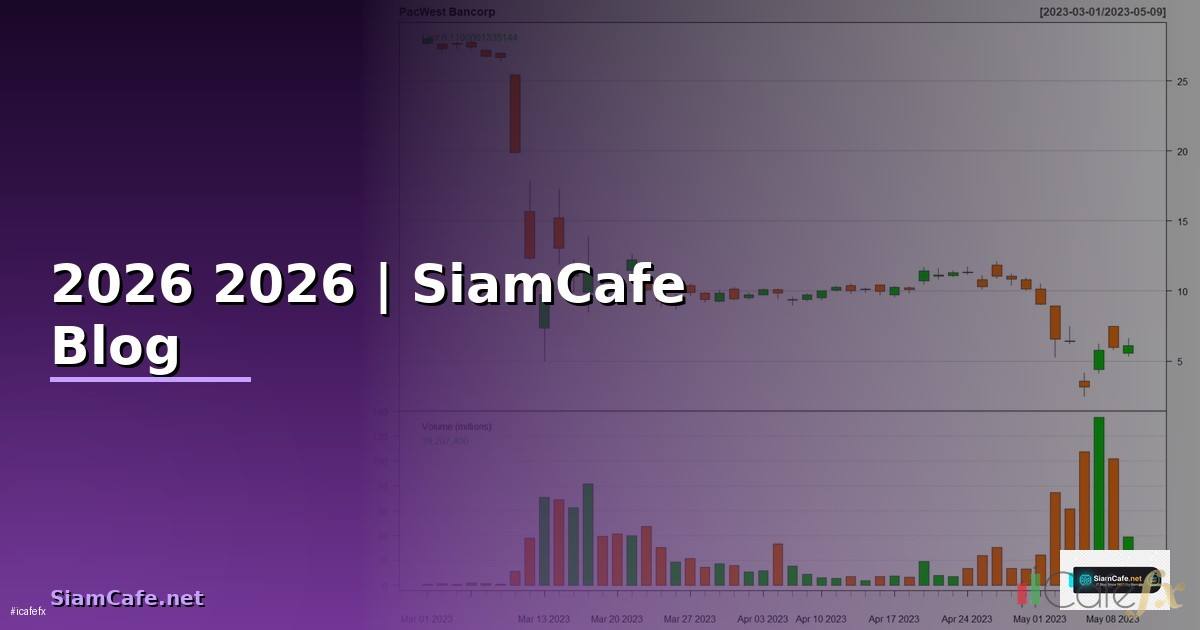
แนวรับแนวต้านคืออะไร
Support ราคาเด้งขึ้น แรงซื้อ Resistance ราคาเด้งลง แรงขาย Supply Demand Swing High Low Volume Role Reversal ทะลุสลับบทบาท
วาดเส้นแนวรับแนวต้านอย่างไร
Swing High Low เส้นแนวนอน เด้งหลายครั้งแข็งแรง Zone แทนเส้นเดียว Timeframe ใหญ่ก่อน Weekly Daily แข็งกว่า
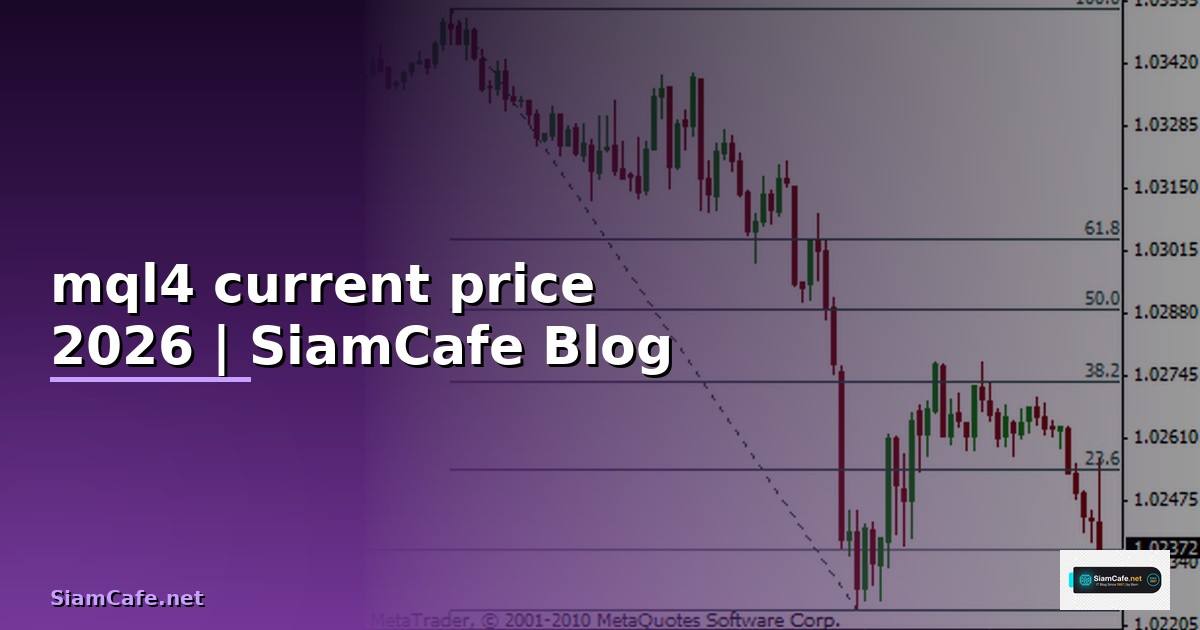
Fibonacci Retracement ใช้อย่างไร
Swing High Low 23.6% 38.2% 50% 61.8% 78.6% Golden Ratio Confluence ตรงกับ S/R แข็งมาก Trend เท่านั้น ไม่ Sideways
เทรดด้วยแนวรับแนวต้านอย่างไร
Buy Support SL ใต้ TP Resistance Sell Resistance SL เหนือ TP Support Breakout Volume Pullback Retest Confirmation Candlestick
สรุป
แนวรับแนวต้าน Support Resistance Price Action Swing Fibonacci Retracement Confluence Zone Breakout Pullback Retest Trading Strategy Confirmation
ทดลองเทรดฟรี XM — โบรกที่ อ.บอม ใช้เทรดจริง (พาร์ทเนอร์ XM)