aggregate demand and supply curve during
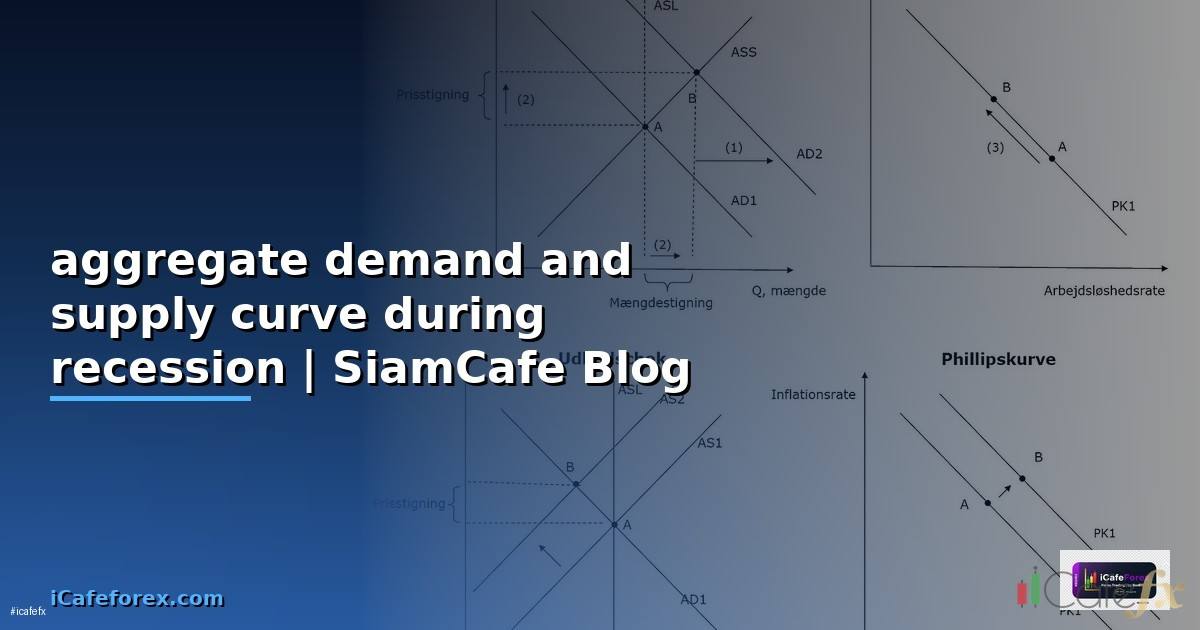
aggregate demand and supply curve during recessionคืออะไร — ทำความเข้าใจตั้งแต่พื้นฐาน

aggregate demand and supply curve during recessionเป็นหัวข้อสำคัญในด้านWeb Developmentที่ได้รับความสนใจอย่างมากในปี 2026 บทความนี้จะอธิบายรายละเอียดทั้งหมดเกี่ยวกับaggregate demand and supply curve during recessionตั้งแต่แนวคิดพื้นฐานหลักการทำงานไปจนถึงการนำไปใช้งานจริงในระบบ Production พร้อมตัวอย่างคำสั่งและ Configuration ที่สามารถนำไปใช้ได้ทันทีรวมถึง Best Practices ที่ได้จากประสบการณ์การทำงานจริง
ในยุคที่เทคโนโลยีเปลี่ยนแปลงอย่างรวดเร็วการเข้าใจaggregate demand and supply curve during recessionอย่างลึกซึ้งจะช่วยให้คุณสามารถนำไปประยุกต์ใช้ได้อย่างมีประสิทธิภาพไม่ว่าจะเป็นการพัฒนาระบบใหม่หรือการปรับปรุงระบบที่มีอยู่แล้วให้ดีขึ้น
aggregate demand and supply curve during recessionถูกออกแบบมาเพื่อตอบโจทย์ความต้องการในด้านaggregate, demand, and, supplyโดยเฉพาะซึ่งมีจุดเด่นที่ประสิทธิภาพสูงและความยืดหยุ่นในการปรับแต่งให้เข้ากับ Use Case ที่แตกต่างกัน
องค์ประกอบหลักของaggregate demand and supply curve during recessionประกอบด้วย:
- Core Engine: ส่วนหลักที่ทำหน้าที่ประมวลผลออกแบบให้มีประสิทธิภาพสูงและใช้ทรัพยากรน้อย
- Configuration Layer: ระบบจัดการ Config ที่รองรับทั้ง YAML, JSON และ Environment Variables
- Plugin/Extension System: ระบบขยายความสามารถที่มี Plugin สำเร็จรูปมากมาย
- API Interface: REST API และ CLI สำหรับการจัดการและ Automation
- Monitoring & Logging: ระบบติดตามสถานะและบันทึก Log แบบ Real-time
สถาปัตยกรรมของaggregate demand and supply curve during recessionถูกออกแบบมาให้รองรับการทำงานทั้งแบบ Standalone และแบบ Distributed Cluster ทำให้สามารถ Scale ได้ตามความต้องการขององค์กรตั้งแต่ขนาดเล็กไปจนถึงระดับ Enterprise ที่ต้องรองรับผู้ใช้งานหลายล้านคนพร้อมกัน
ทำไมต้องใช้ aggregate demand and supply curve during recession — ข้อดีและประโยชน์จริง
การเลือกใช้aggregate demand and supply curve during recessionมีเหตุผลสนับสนุนหลายประการจากประสบการณ์การใช้งานจริงในระบบ Production สามารถสรุปข้อดีหลักๆได้ดังนี้
- ประสิทธิภาพสูง: ถูกออกแบบให้ทำงานได้เร็วด้วย Response Time ต่ำและ Throughput สูงเหมาะกับระบบที่ต้องการความเร็วในการประมวลผล
- ลดค่าใช้จ่าย Infrastructure: ใช้ทรัพยากรอย่างมีประสิทธิภาพทำให้ค่าใช้จ่ายด้าน Server และ Cloud ลดลงอย่างเห็นได้ชัดเมื่อเทียบกับโซลูชันอื่น
- ง่ายต่อการ Scale: รองรับ Horizontal และ Vertical Scaling ทำให้ระบบเติบโตไปพร้อมกับธุรกิจได้โดยไม่ต้องเปลี่ยนสถาปัตยกรรม
- Security ในตัว: มีระบบ Authentication, Authorization และ Encryption ที่แข็งแกร่งรองรับมาตรฐาน Security สากล
- Community ขนาดใหญ่: มีผู้ใช้งานและนักพัฒนาทั่วโลกที่คอยช่วยเหลือและพัฒนาฟีเจอร์ใหม่อย่างต่อเนื่อง
- เอกสารครบถ้วน: Documentation คุณภาพสูงพร้อมตัวอย่างจริงที่นำไปใช้งานได้ทันที
จากข้อมูลจริงพบว่าองค์กรที่นำaggregate demand and supply curve during recessionไปใช้สามารถลดเวลา Deploy ได้กว่า 60% และลดค่าใช้จ่ายด้าน Infrastructure ได้ 30-40% เมื่อเทียบกับโซลูชันเดิม
วิธีติดตั้งและตั้งค่า aggregate demand and supply curve during recession — ขั้นตอนละเอียด
การติดตั้งaggregate demand and supply curve during recessionสามารถทำได้หลายวิธีทั้งการติดตั้งแบบ Manual, Docker และ Package Manager ในบทความนี้จะแสดงวิธีที่นิยมใช้มากที่สุดพร้อม Configuration ที่เหมาะสำหรับระบบ Production
ขั้นตอนที่ 1: เตรียมสภาพแวดล้อม
ก่อนเริ่มติดตั้งต้องตรวจสอบว่าระบบมี Requirements ครบถ้วนประกอบด้วย CPU อย่างน้อย 2 cores, RAM 4GB ขึ้นไป, Disk 20GB และระบบปฏิบัติการ Linux (Ubuntu 22.04+, Debian 12+, CentOS 9+) หรือ Docker Engine 24+ สำหรับการติดตั้งแบบ Container
// TypeScript Component สำหรับ aggregate demand and supply curve during recession

import React, { useState, useEffect, useCallback } from 'react';


interface DataItem {

  id: string; title: string; status: 'active' | 'inactive';

}


export default function DataList({ apiUrl }: { apiUrl: string }) {

  const [items, setItems] = useState<DataItem[]>([]);

  const [loading, setLoading] = useState(true);

  const [page, setPage] = useState(1);


  const fetchData = useCallback(async () => {

    setLoading(true);

    const res = await fetch(`?page=&limit=10`);

    const data = await res.json();

    setItems(data.items);

    setLoading(false);

  }, [apiUrl, page]);


  useEffect(() => { fetchData(); }, [fetchData]);


  if (loading) return <div className="animate-pulse">Loading...</div>;


  return (

    <div className="space-y-4">

      {items.map(item => (

        <div key={item.id} className="p-4 border rounded-lg">

          <h3>{item.title}</h3>

          <span className="badge">{item.status}</span>

        </div>

      ))}

      <div className="flex gap-2 mt-4">

        <button onClick={() => setPage(p => Math.max(1, p-1))}>Prev</button>

        <span>Page {page}</span>

        <button onClick={() => setPage(p => p+1)}>Next</button>

      </div>

    </div>

  );

}
ขั้นตอนที่ 2: ตั้งค่าระบบ
หลังจากติดตั้งเสร็จแล้วขั้นตอนถัดไปคือการตั้งค่าให้เหมาะสมกับ Environment ที่ใช้งานไม่ว่าจะเป็น Development, Staging หรือ Production แต่ละ Environment จะมี Configuration ที่แตกต่างกันตาม Best Practices
// Next.js API Route สำหรับ aggregate demand and supply curve during recession

import { NextRequest, NextResponse } from 'next/server';


export async function GET(request: NextRequest) {

  const page = parseInt(request.nextUrl.searchParams.get('page') || '1');

  const limit = parseInt(request.nextUrl.searchParams.get('limit') || '10');


  const items = await db.query(

    `SELECT * FROM items ORDER BY created_at DESC LIMIT $1 OFFSET $2`,

    [limit, (page - 1) * limit]

  );

  const total = await db.query('SELECT COUNT(*) FROM items');


  return NextResponse.json({

    items: items.rows,

    total: parseInt(total.rows[0].count),

    page,

    totalPages: Math.ceil(total.rows[0].count / limit)

  });

}


export async function POST(request: NextRequest) {

  const body = await request.json();

  const result = await db.query(

    `INSERT INTO items (title, description) VALUES ($1, $2) RETURNING *`,

    [body.title, body.description]

  );

  return NextResponse.json(result.rows[0], { status: 201 });

}
ขั้นตอนที่ 3: ทดสอบและ Deploy
ก่อน Deploy ไปยัง Production ควรทดสอบระบบอย่างละเอียดทั้ง Unit Test, Integration Test และ Load Test เพื่อให้มั่นใจว่าระบบทำงานได้อย่างถูกต้องและรองรับ Traffic ที่คาดไว้
/* tailwind.config.ts สำหรับ aggregate demand and supply curve during recession */

import type { Config } from 'tailwindcss';


const config: Config = {

  content: ['./app/**/*.{js, ts, jsx, tsx}', './components/**/*.{js, ts, jsx, tsx}'],

  theme: {

    extend: {

      colors: {

        primary: { 50: '#eff6ff', 500: '#3b82f6', 700: '#1d4ed8' },

        accent: 'var(--c-primary)',

      },

      animation: {

        'fade-in': 'fadeIn 0.5s ease-in-out',

        'slide-up': 'slideUp 0.3s ease-out',

      },

    },

  },

  plugins: [require('@tailwindcss/typography'), require('@tailwindcss/forms')],

};

export default config;
เทคนิคขั้นสูงและ Best Practices สำหรับ aggregate demand and supply curve during recession
เมื่อเข้าใจพื้นฐานของaggregate demand and supply curve during recessionแล้วขั้นตอนถัดไปคือการเรียนรู้เทคนิคขั้นสูงที่จะช่วยให้ใช้งานได้อย่างเต็มประสิทธิภาพ
Performance Tuning
การปรับแต่งประสิทธิภาพเป็นสิ่งสำคัญสำหรับระบบ Production ควรเริ่มจากการวัด Baseline Performance ก่อนด้วยเครื่องมือ Benchmarking จากนั้นปรับแต่งทีละจุดและวัดผลทุกครั้งที่เปลี่ยนแปลงเพื่อให้แน่ใจว่าการเปลี่ยนแปลงนั้นส่งผลดีจริง
- Connection Pooling: ใช้ Connection Pool เพื่อลดเวลาในการสร้าง Connection ใหม่ตั้งค่า Min/Max Pool Size ให้เหมาะสมกับ Workload
- Caching Strategy: ใช้ Cache หลายระดับทั้ง In-Memory Cache (Redis/Memcached) และ Application-Level Cache เพื่อลด Latency
- Async Processing: ใช้ Message Queue สำหรับงานที่ไม่ต้องตอบทันทีเช่น Email, Report Generation, Data Processing
- Resource Limits: กำหนด CPU และ Memory Limits สำหรับทุก Container/Process เพื่อป้องกันการใช้ทรัพยากรเกิน
High Availability Setup
สำหรับระบบที่ต้องการ Uptime สูงควรตั้งค่าaggregate demand and supply curve during recessionแบบ Multi-Node Cluster พร้อม Load Balancer ที่ด้านหน้าและ Health Check ที่ตรวจสอบสถานะของทุก Node อย่างต่อเนื่องเมื่อ Node ใด Node หนึ่งล้ม Load Balancer จะส่ง Traffic ไปยัง Node อื่นโดยอัตโนมัติทำให้ผู้ใช้งานไม่ได้รับผลกระทบ
Disaster Recovery
วางแผน DR ตั้งแต่เริ่มต้นกำหนด RPO (Recovery Point Objective) และ RTO (Recovery Time Objective) ที่ชัดเจนตั้งค่า Automated Backup ทุก 6 ชั่วโมงและทดสอบ Restore Process อย่างน้อยเดือนละครั้ง
สรุป aggregate demand and supply curve during recession — สิ่งที่ควรจำและขั้นตอนถัดไป
aggregate demand and supply curve during recessionเป็นเทคโนโลยีที่มีศักยภาพสูงและคุ้มค่าต่อการเรียนรู้ในปี 2026 จากที่ได้อธิบายมาทั้งหมดสิ่งสำคัญที่ควรจำคือ
- เข้าใจพื้นฐานให้แน่น: อย่ารีบข้ามไปเรื่องขั้นสูงก่อนที่พื้นฐานจะมั่นคงศึกษาเอกสารอย่างเป็นทางการอย่างละเอียด
- ลงมือปฏิบัติจริง: สร้างโปรเจกต์จริงทดลองใช้งานจริงเรียนรู้จากข้อผิดพลาดที่เกิดขึ้น
- ใช้ Version Control: เก็บทุก Configuration ใน Git เพื่อติดตามการเปลี่ยนแปลงและ Rollback ได้เมื่อจำเป็น
- Monitor ทุกอย่าง: ตั้งค่า Monitoring และ Alerting ตั้งแต่วันแรกอย่ารอจนเกิดปัญหา
- เรียนรู้อย่างต่อเนื่อง: เทคโนโลยีเปลี่ยนแปลงตลอดเวลาติดตามข่าวสารและอัปเดตความรู้อยู่เสมอ
สำหรับผู้ที่ต้องการต่อยอดความรู้แนะนำให้ศึกษาเพิ่มเติมจาก SiamCafe Blog ที่มีบทความ IT คุณภาพสูงภาษาไทยอัปเดตสม่ำเสมอรวมถึง iCafeForex สำหรับระบบเทรดอัตโนมัติ XM Signal สำหรับสัญญาณเทรด และ SiamLanCard สำหรับอุปกรณ์ IT คุณภาพ
"The best way to predict the future is to create it." — Peter Drucker