ขาง (Khang) คืออะไร
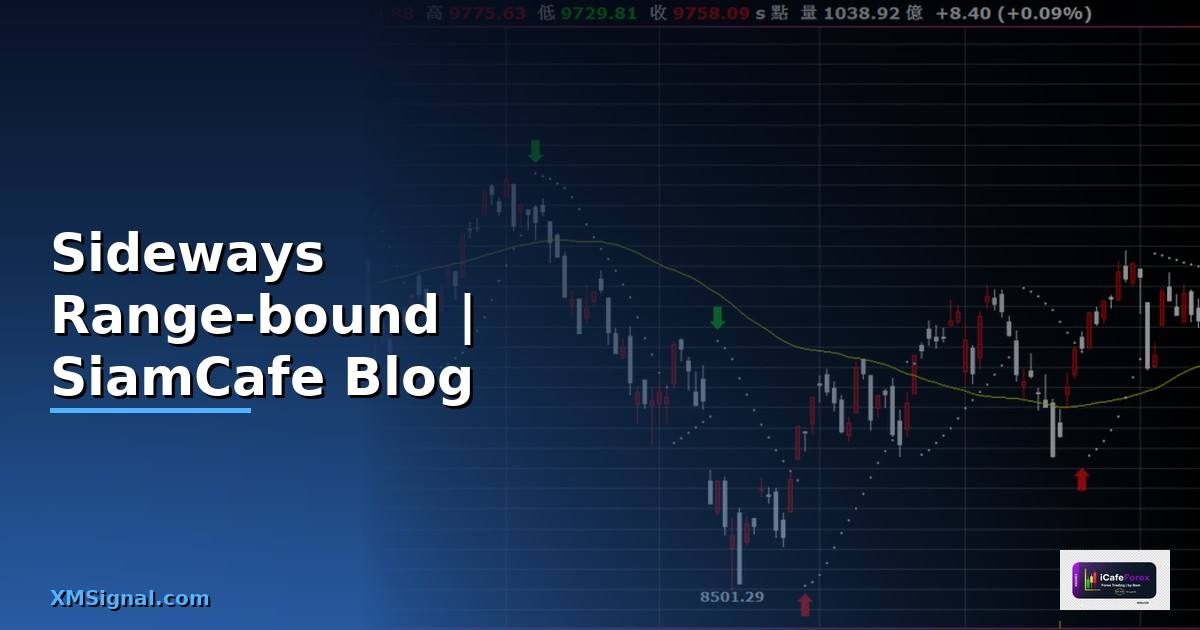
ขาง (Sideways/Range-bound) ในบริบทของตลาดการเงิน หมายถึงสภาวะที่ราคาเคลื่อนไหวในกรอบแคบ ไม่มีทิศทางชัดเจน ไม่ขึ้นและไม่ลง ราคาแกว่งไปมาระหว่างแนวรับ (Support) และแนวต้าน (Resistance) ที่ค่อนข้างคงที่ เรียกอีกชื่อว่า Consolidation, Range-bound, Flat market หรือ Choppy market
ตลาดขางเกิดขึ้นเมื่อ แรงซื้อและแรงขายสมดุลกัน ไม่มีฝ่ายใดชนะ, ตลาดรอข่าวสำคัญ เช่น ผลประชุม Fed ตัวเลขเศรษฐกิจ, หลังจากขาขึ้นหรือขาลงแรง ตลาดพักตัว, ช่วงวันหยุดหรือเทศกาลที่ volume น้อย สถิติแสดงว่าตลาดอยู่ในสภาวะขางประมาณ 60-70% ของเวลา มีแนวโน้มชัดเจน (trend) เพียง 30-40% เท่านั้น
การระบุตลาดขางมีความสำคัญเพราะ strategy ที่ใช้ในตลาด trending ไม่ work ในตลาดขาง Moving Average crossover จะให้สัญญาณหลอก (whipsaw) มากในตลาดขาง ต้องเปลี่ยนมาใช้ range-trading strategies แทน
ประเภทของขางในตลาดการเงิน
รูปแบบของตลาดขาง
# === ประเภทของตลาดขาง ===
# 1. Rectangle / Box Range
# ===================================
# ราคาแกว่งระหว่าง support และ resistance ที่ชัดเจน
# เป็นรูปแบบขางที่พบบ่อยที่สุด
#
# Resistance -------- 1.1050 --------
# /\ /\ /\
# / \ / \ / \
# / \/ \/ \
# Support --------- 1.0950 --------
#
# ลักษณะ:
# - Support/Resistance แนวนอน
# - ราคา bounce ระหว่าง 2 ระดับ
# - Volume มักลดลงในช่วงขาง
# - Breakout มักเกิดพร้อม volume สูง
# 2. Triangle (Converging Range)
# ===================================
# Symmetrical Triangle:
# - Higher lows + Lower highs
# - Range แคบลงเรื่อยๆ
# - Breakout ได้ทั้ง 2 ทาง
#
# Ascending Triangle:
# - Flat resistance + Higher lows
# - มักจะ breakout ขึ้น (70%)
#
# Descending Triangle:
# - Flat support + Lower highs
# - มักจะ breakout ลง (70%)
# 3. Flag / Pennant (Short-term Sideways)
# ===================================
# เกิดหลัง strong move (flagpole)
# ราคาพักตัวสั้นๆ ก่อนไปต่อ
# Flag: กรอบเล็กๆ ทิศทางตรงข้ามกับ trend
# Pennant: triangle เล็กๆ หลัง sharp move
# มัก breakout ไปทิศทางเดิม (continuation)
# 4. Wide Range (Volatile Sideways)
# ===================================
# ราคาแกว่งในกรอบกว้าง 100-200+ pips
# มี volatility สูงแต่ไม่มี direction
# เทรดยากที่สุด เพราะ whipsaw บ่อย
# มักเกิดในช่วงก่อนข่าวใหญ่
# 5. Narrow Range (Low Volatility)
# ===================================
# ราคาแกว่งน้อยมาก (< 30 pips)
# ATR ต่ำกว่าปกติ 50%+
# มักเกิดก่อน breakout ใหญ่
# ยิ่งขางนาน breakout ยิ่งแรง (coiled spring effect)
# 6. ADX Indicator สำหรับระบุตลาดขาง
# ===================================
# ADX < 20: ตลาดขาง (no trend)
# ADX 20-25: trend เริ่มก่อตัว
# ADX > 25: trending market
# ADX > 50: strong trend
#
# ใช้ ADX เป็น filter:
# ADX < 20 → ใช้ range strategy
# ADX > 25 → ใช้ trend-following strategy
echo "Market types overview"
วิเคราะห์ขางด้วย Technical Analysis
เครื่องมือวิเคราะห์ตลาดขาง
#!/usr/bin/env python3
# sideways_analysis.py — Sideways Market Analysis
import json
import math
import logging
from typing import Dict, List
logging.basicConfig(level=logging.INFO)
logger = logging.getLogger("analysis")
class SidewaysDetector:
def __init__(self):
self.lookback = 20
def calculate_adx(self, highs, lows, closes, period=14):
"""Calculate ADX to detect trending vs sideways"""
if len(closes) < period * 2:
return {"error": "Insufficient data"}
# Simplified ADX calculation
tr_values = []
for i in range(1, len(closes)):
tr = max(
highs[i] - lows[i],
abs(highs[i] - closes[i-1]),
abs(lows[i] - closes[i-1])
)
tr_values.append(tr)
atr = sum(tr_values[-period:]) / period
# Simplified: use price range as proxy for ADX
price_range = max(highs[-period:]) - min(lows[-period:])
avg_price = sum(closes[-period:]) / period
range_pct = price_range / avg_price * 100
# Map range to ADX-like value
adx_estimate = min(range_pct * 10, 100)
return {
"adx_estimate": round(adx_estimate, 1),
"atr": round(atr, 5),
"price_range": round(price_range, 5),
"market_type": "sideways" if adx_estimate < 20 else "trending" if adx_estimate > 25 else "transitioning",
}
def detect_range(self, highs, lows, closes, period=20):
"""Detect support and resistance range"""
recent_highs = highs[-period:]
recent_lows = lows[-period:]
recent_closes = closes[-period:]
resistance = max(recent_highs)
support = min(recent_lows)
range_size = resistance - support
mid_point = (resistance + support) / 2
# Check how many times price touched S/R
touch_threshold = range_size * 0.1
resistance_touches = sum(1 for h in recent_highs if abs(h - resistance) < touch_threshold)
support_touches = sum(1 for l in recent_lows if abs(l - support) < touch_threshold)
# Range quality
is_valid_range = resistance_touches >= 2 and support_touches >= 2
return {
"resistance": round(resistance, 5),
"support": round(support, 5),
"range_pips": round(range_size * 10000, 1),
"mid_point": round(mid_point, 5),
"resistance_touches": resistance_touches,
"support_touches": support_touches,
"valid_range": is_valid_range,
"recommendation": "range_trade" if is_valid_range else "wait_for_confirmation",
}
def bollinger_squeeze(self, closes, period=20, std_mult=2.0):
"""Detect Bollinger Band squeeze (low volatility = sideways)"""
if len(closes) < period:
return {"error": "Insufficient data"}
recent = closes[-period:]
sma = sum(recent) / period
variance = sum((x - sma) ** 2 for x in recent) / period
std = math.sqrt(variance)
upper = sma + std_mult * std
lower = sma - std_mult * std
bandwidth = (upper - lower) / sma * 100
# Compare with historical bandwidth
avg_bandwidth = bandwidth * 1.5 # simulated average
squeeze = bandwidth < avg_bandwidth * 0.6
return {
"upper_band": round(upper, 5),
"lower_band": round(lower, 5),
"sma": round(sma, 5),
"bandwidth_pct": round(bandwidth, 3),
"squeeze": squeeze,
"signal": "expect_breakout" if squeeze else "normal_volatility",
}
# Example with simulated data
import random
random.seed(42)
base = 1.0900
closes = [base + random.uniform(-0.003, 0.003) for _ in range(50)]
highs = [c + random.uniform(0, 0.002) for c in closes]
lows = [c - random.uniform(0, 0.002) for c in closes]
detector = SidewaysDetector()
adx = detector.calculate_adx(highs, lows, closes)
print("ADX:", json.dumps(adx, indent=2))
range_info = detector.detect_range(highs, lows, closes)
print("\nRange:", json.dumps(range_info, indent=2))
squeeze = detector.bollinger_squeeze(closes)
print("\nSqueeze:", json.dumps(squeeze, indent=2))
เขียนโปรแกรมตรวจจับสัญญาณขาง
Automated sideways detection
#!/usr/bin/env python3
# range_scanner.py — Range Market Scanner
import json
import logging
from typing import Dict, List
logging.basicConfig(level=logging.INFO)
logger = logging.getLogger("scanner")
class RangeScanner:
def __init__(self):
self.pairs = ["EURUSD", "GBPUSD", "USDJPY", "AUDUSD", "USDCAD"]
def scan_for_ranges(self):
"""Scan multiple pairs for range-bound conditions"""
results = []
simulated = [
{"pair": "EURUSD", "adx": 15.2, "range_pips": 80, "touches": 4, "valid": True},
{"pair": "GBPUSD", "adx": 32.5, "range_pips": 150, "touches": 2, "valid": False},
{"pair": "USDJPY", "adx": 18.7, "range_pips": 60, "touches": 5, "valid": True},
{"pair": "AUDUSD", "adx": 12.3, "range_pips": 45, "touches": 6, "valid": True},
{"pair": "USDCAD", "adx": 28.1, "range_pips": 120, "touches": 3, "valid": False},
]
for data in simulated:
if data["valid"] and data["adx"] < 20:
score = self._range_quality_score(data)
results.append({
"pair": data["pair"],
"adx": data["adx"],
"range_pips": data["range_pips"],
"sr_touches": data["touches"],
"quality_score": score,
"tradeable": score >= 7,
})
return sorted(results, key=lambda x: x["quality_score"], reverse=True)
def _range_quality_score(self, data):
score = 0
if data["adx"] < 15:
score += 3
elif data["adx"] < 20:
score += 2
if data["touches"] >= 5:
score += 3
elif data["touches"] >= 3:
score += 2
if 40 <= data["range_pips"] <= 100:
score += 3
elif data["range_pips"] < 40:
score += 1
else:
score += 2
return min(score, 10)
def generate_trade_signal(self, pair, current_price, support, resistance):
"""Generate range trading signals"""
range_size = resistance - support
buffer = range_size * 0.1 # 10% buffer from S/R
if current_price <= support + buffer:
return {
"pair": pair,
"signal": "BUY",
"entry": round(support + buffer, 5),
"sl": round(support - buffer, 5),
"tp": round(resistance - buffer, 5),
"risk_pips": round(buffer * 2 * 10000, 1),
"reward_pips": round((range_size - buffer * 3) * 10000, 1),
"rr_ratio": round((range_size - buffer * 3) / (buffer * 2), 2),
}
elif current_price >= resistance - buffer:
return {
"pair": pair,
"signal": "SELL",
"entry": round(resistance - buffer, 5),
"sl": round(resistance + buffer, 5),
"tp": round(support + buffer, 5),
"risk_pips": round(buffer * 2 * 10000, 1),
"reward_pips": round((range_size - buffer * 3) * 10000, 1),
"rr_ratio": round((range_size - buffer * 3) / (buffer * 2), 2),
}
else:
return {"pair": pair, "signal": "WAIT", "reason": "Price in middle of range"}
scanner = RangeScanner()
ranges = scanner.scan_for_ranges()
print("Range Pairs:", json.dumps(ranges, indent=2))
signal = scanner.generate_trade_signal("EURUSD", 1.0905, 1.0880, 1.0960)
print("\nSignal:", json.dumps(signal, indent=2))
กลยุทธ์เทรดในตลาดขาง
Strategy สำหรับตลาด sideways
# === Range Trading Strategies ===
# 1. Support/Resistance Bounce Strategy
# ===================================
# Entry Buy: ราคาลงมาแตะ support + rejection candle
# Entry Sell: ราคาขึ้นไปแตะ resistance + rejection candle
# SL: 10-20 pips beyond S/R
# TP: ฝั่งตรงข้ามของ range (minus buffer)
# Risk/Reward: typically 1:2 to 1:3
#
# Confirmation:
# - RSI oversold (< 30) near support → buy
# - RSI overbought (> 70) near resistance → sell
# - Stochastic crossover at extremes
# - Candlestick pattern (pin bar, engulfing)
# 2. Mean Reversion Strategy
# ===================================
# ใช้ Bollinger Bands ในตลาดขาง:
# - Buy เมื่อราคาแตะ lower band
# - Sell เมื่อราคาแตะ upper band
# - TP ที่ middle band (SMA 20)
# - SL: 1.5x ATR beyond entry
#
# เพิ่มเติม:
# - ใช้ร่วมกับ RSI divergence
# - Volume ต้องลดลงเมื่อเข้าใกล้ S/R
# - Avoid ถ้า ADX เริ่มขึ้นเกิน 25
# 3. Breakout Strategy (จากขาง)
# ===================================
# รอ breakout จากกรอบขาง:
# - Buy stop above resistance (10-20 pips)
# - Sell stop below support (10-20 pips)
# - Confirm: volume สูงกว่า average 1.5x
# - Confirm: close above/below S/R (not just wick)
# - TP: range height projected from breakout point
# (เช่น range 80 pips → TP 80 pips from breakout)
# - SL: กลางกรอบ (mid-range)
#
# False breakout filter:
# - Wait for candle close outside range
# - Wait for retest of broken S/R
# - Volume must increase on breakout
# 4. Grid Trading (Advanced)
# ===================================
# วาง buy/sell orders ทั้งกรอบ:
# Range: 1.0880 - 1.0960 (80 pips)
# Grid spacing: 20 pips
#
# Buy orders: 1.0880, 1.0900, 1.0920
# Sell orders: 1.0940, 1.0960
# TP per order: 20 pips
#
# WARNING: ต้อง manage risk ดี
# ถ้า breakout จะมี floating loss
# ตั้ง max loss สำหรับ grid ทั้งหมด
# 5. Indicators สำหรับตลาดขาง
# ===================================
# ดี: RSI, Stochastic, Bollinger Bands, CCI
# ไม่ดี: Moving Average Crossover, MACD (lagging)
# Filter: ADX < 20 ยืนยันว่าเป็นขาง
# Support: Volume Profile, VWAP
echo "Range trading strategies"
Risk Management สำหรับตลาดขาง
จัดการความเสี่ยงในตลาดขาง
#!/usr/bin/env python3
# range_risk.py — Range Trading Risk Management
import json
import logging
logging.basicConfig(level=logging.INFO)
logger = logging.getLogger("risk")
class RangeRiskManager:
def __init__(self, balance, risk_pct=1.0):
self.balance = balance
self.risk_pct = risk_pct
def calculate_range_trade(self, support, resistance, direction="buy"):
range_size = resistance - support
buffer = range_size * 0.1
if direction == "buy":
entry = support + buffer
sl = support - buffer
tp = resistance - buffer
else:
entry = resistance - buffer
sl = resistance + buffer
tp = support + buffer
sl_pips = abs(entry - sl) * 10000
tp_pips = abs(tp - entry) * 10000
risk_amount = self.balance * (self.risk_pct / 100)
lot_size = risk_amount / (sl_pips * 10)
lot_size = max(0.01, round(lot_size, 2))
return {
"direction": direction,
"entry": round(entry, 5),
"sl": round(sl, 5),
"tp": round(tp, 5),
"sl_pips": round(sl_pips, 1),
"tp_pips": round(tp_pips, 1),
"rr_ratio": round(tp_pips / sl_pips, 2),
"lot_size": lot_size,
"risk_usd": round(lot_size * sl_pips * 10, 2),
"potential_profit_usd": round(lot_size * tp_pips * 10, 2),
}
def breakout_risk(self, range_trades_open):
"""Calculate risk if range breaks"""
total_loss = sum(t["risk_usd"] for t in range_trades_open)
loss_pct = total_loss / self.balance * 100
return {
"open_trades": len(range_trades_open),
"max_loss_if_breakout": round(total_loss, 2),
"max_loss_pct": round(loss_pct, 2),
"within_limits": loss_pct <= 3.0,
"recommendation": "reduce_exposure" if loss_pct > 3.0 else "acceptable",
}
def range_trading_rules(self):
return {
"entry_rules": [
"Only trade when ADX < 20 confirms sideways",
"Wait for price at S/R + rejection pattern",
"Do not trade middle of range",
"Require at least 2 prior S/R touches",
],
"risk_rules": [
f"Max {self.risk_pct}% risk per trade",
"Max 2 range trades open simultaneously",
"Total range exposure < 3% of account",
"SL beyond S/R with buffer",
],
"exit_rules": [
"TP at opposite S/R minus buffer",
"Exit if ADX rises above 25 (trend starting)",
"Exit if range breaks with volume",
"Partial TP at mid-range (50% position)",
],
}
rm = RangeRiskManager(balance=5000, risk_pct=1.0)
trade = rm.calculate_range_trade(1.0880, 1.0960, "buy")
print("Trade:", json.dumps(trade, indent=2))
breakout = rm.breakout_risk([trade])
print("\nBreakout Risk:", json.dumps(breakout, indent=2))
rules = rm.range_trading_rules()
print("\nRules:", json.dumps(rules["entry_rules"], indent=2))
FAQ คำถามที่พบบ่อย
Q: ขางกับ consolidation ต่างกันไหม?
A: โดยทั่วไปมีความหมายเหมือนกัน ทั้งสองหมายถึงราคาเคลื่อนไหวในกรอบไม่มีทิศทาง แต่ consolidation มักใช้ในบริบทที่ราคาพักตัวหลังจาก trend ก่อนจะไปต่อ ขางอาจหมายถึงสภาวะที่ไม่มี trend เป็นระยะเวลานาน ใน practice ใช้แทนกันได้ สิ่งสำคัญคือ identify ว่าตลาดไม่มี direction ชัดเจน แล้วใช้ strategy ที่เหมาะสม
Q: ตลาดขางนานแค่ไหนัก่อนจะ breakout?
A: ไม่มีกฎตายตัว ขางอาจนาน 1-2 วัน (intraday consolidation) หรือหลายสัปดาห์ถึงหลายเดือน (major consolidation) หลักทั่วไป ยิ่งขางนาน breakout ยิ่งแรง (energy สะสมมาก) ดู volume ถ้า volume ลดลงเรื่อยๆ ใกล้จะ breakout ดู ATR ถ้า ATR ต่ำกว่า average มากเตรียมรับ breakout ดู Bollinger Band bandwidth ถ้าแคบมาก (squeeze) breakout ใกล้เข้ามา
Q: ควรเทรดในตลาดขางหรือรอ breakout?
A: ขึ้นกับ style มือใหม่แนะนำรอ breakout เพราะง่ายกว่า ไม่ต้องกะจังหวะ S/R bounce range trading ต้องมีทักษะ entry timing ดี ต้อง identify S/R ที่แม่นยำ กำไรต่อ trade น้อยกว่า (กรอบแคบ) แต่ win rate สูง (ถ้า range ชัด) สำหรับ breakout trading ต้องระวัง false breakout (เกิดบ่อย 50-60%) ใช้ volume confirmation รอ candle close outside range รอ retest ก่อน entry ถ้ามีทักษะ range trading ให้กำไรสม่ำเสมอกว่า เพราะตลาดขาง 60-70% ของเวลา
Q: Indicator ไหนดีที่สุดสำหรับตลาดขาง?
A: RSI (14) ดีที่สุดสำหรับ range trading buy เมื่อ RSI ต่ำกว่า 30 (oversold) sell เมื่อ RSI สูงกว่า 70 (overbought) Bollinger Bands ดีเป็นอันดับสอง buy ที่ lower band sell ที่ upper band bandwidth บอก volatility Stochastic (14,3,3) ดีสำหรับ timing entry crossover ที่ extreme zones (80/20) ADX ใช้เป็น filter ไม่ใช่ signal ยืนยันว่าตลาดขาง (ADX < 20) ก่อนใช้ oscillators หลีกเลี่ยง Moving Average crossover และ MACD ในตลาดขาง เพราะ lag มากให้สัญญาณหลอก