What is Support and Resistance —

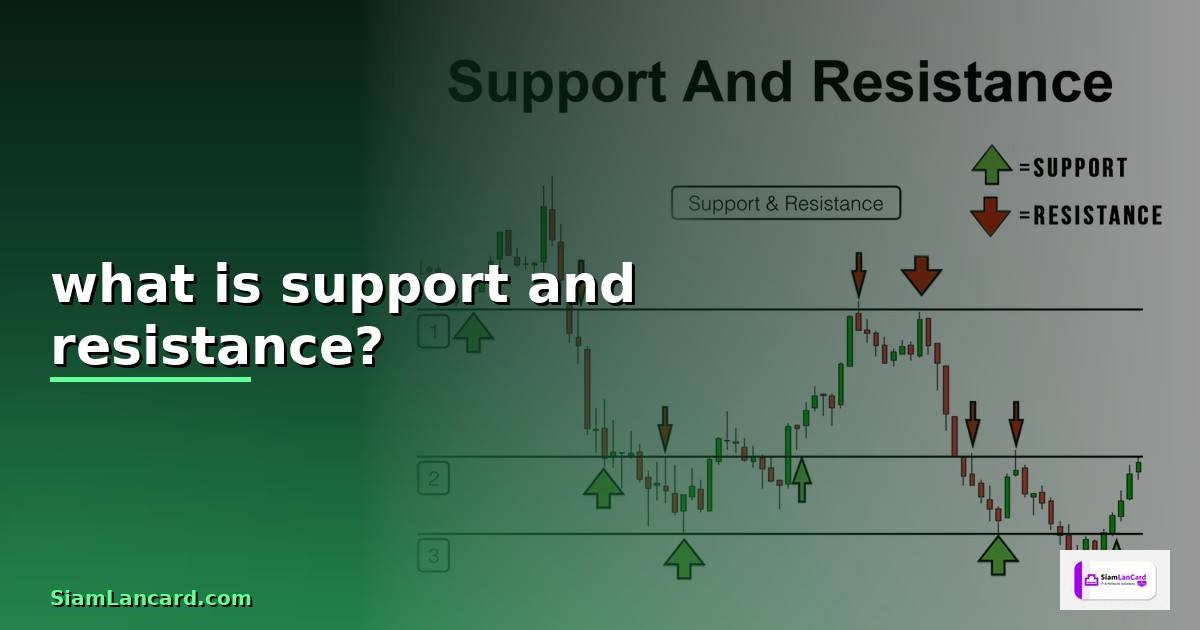
Support and Resistance แนวรับแนวต้าน

Support แนวรับ ระดับราคาแรงซื้อหยุดราคาลง Resistance แนวต้าน ระดับราคาแรงขายหยุดราคาขึ้น จิตวิทยาตลาด วิเคราะห์ทางเทคนิค หุ้น Forex Crypto
| วิธีหา | ลักษณะ | ความแม่นยำ | เหมาะกับ |
|---|---|---|---|
| Swing High/Low | จุดกลับตัวในอดีต | สูง | ทุก Timeframe |
| Moving Average | EMA 50, 200 | ปานกลาง | Trend Following |
| Fibonacci | 38.2% 50% 61.8% | ปานกลาง | Pullback Trading |
| Pivot Points | คำนวณจาก OHLC | สูง | Day Trading |
| Volume Profile | ระดับ Volume สูง | สูงมาก | ทุกตลาด |
| Round Numbers | ราคาจำนวนกลมๆ | ปานกลาง | จิตวิทยา |
วิเคราะห์แนวรับแนวต้าน Python
# support_resistance.py — Support & Resistance Analysis
from dataclasses import dataclass
from typing import List, Tuple
import math

@dataclass
class OHLC:
    date: str
    open: float
    high: float
    low: float
    close: float
    volume: int

def find_swing_highs(data: List[OHLC], window: int = 5) -> List[Tuple[str, float]]:
    """หา Swing High (แนวต้าน)"""
    highs = []
    for i in range(window, len(data) - window):
        is_high = True
        for j in range(i - window, i + window + 1):
            if j != i and data[j].high >= data[i].high:
                is_high = False
                break
        if is_high:
            highs.append((data[i].date, data[i].high))
    return highs

def find_swing_lows(data: List[OHLC], window: int = 5) -> List[Tuple[str, float]]:
    """หา Swing Low (แนวรับ)"""
    lows = []
    for i in range(window, len(data) - window):
        is_low = True
        for j in range(i - window, i + window + 1):
            if j != i and data[j].low <= data[i].low:
                is_low = False
                break
        if is_low:
            lows.append((data[i].date, data[i].low))
    return lows

def calc_pivot_points(high: float, low: float, close: float) -> dict:
    """คำนวณ Pivot Points"""
    pivot = (high + low + close) / 3
    return {
        "R3": high + 2 * (pivot - low),
        "R2": pivot + (high - low),
        "R1": 2 * pivot - low,
        "Pivot": pivot,
        "S1": 2 * pivot - high,
        "S2": pivot - (high - low),
        "S3": low - 2 * (high - pivot),
    }

def calc_fibonacci(high: float, low: float) -> dict:
    """คำนวณ Fibonacci Retracement"""
    diff = high - low
    return {
        "0.0% (High)": high,
        "23.6%": high - diff * 0.236,
        "38.2%": high - diff * 0.382,
        "50.0%": high - diff * 0.500,
        "61.8%": high - diff * 0.618,
        "78.6%": high - diff * 0.786,
        "100% (Low)": low,
    }

# ตัวอย่างข้อมูล
sample_data = [
    OHLC("2024-01-01", 100, 105, 98, 103, 1000000),
    OHLC("2024-01-02", 103, 108, 101, 106, 1200000),
    OHLC("2024-01-03", 106, 112, 104, 110, 1500000),
    OHLC("2024-01-04", 110, 115, 108, 112, 1800000),
    OHLC("2024-01-05", 112, 118, 110, 115, 2000000),
    OHLC("2024-01-06", 115, 120, 113, 117, 1700000),
    OHLC("2024-01-07", 117, 119, 112, 114, 1300000),
    OHLC("2024-01-08", 114, 116, 108, 110, 1600000),
    OHLC("2024-01-09", 110, 113, 105, 107, 1400000),
    OHLC("2024-01-10", 107, 110, 103, 108, 1100000),
    OHLC("2024-01-11", 108, 112, 106, 111, 1300000),
]

# Pivot Points
last = sample_data[-1]
pivots = calc_pivot_points(last.high, last.low, last.close)
print("=== Pivot Points ===")
for level, price in pivots.items():
    print(f"  {level}: {price:.2f}")

# Fibonacci
high_price = max(d.high for d in sample_data)
low_price = min(d.low for d in sample_data)
fibs = calc_fibonacci(high_price, low_price)
print(f"\n=== Fibonacci Retracement ===")
print(f"  High: {high_price} | Low: {low_price}")
for level, price in fibs.items():
    print(f"  {level}: {price:.2f}")
เคล็ดลับ
- Timeframe สูง: แนวรับต้านจาก Daily Weekly แข็งกว่า 5min 15min
- Volume: แนวที่มี Volume มากน่าเชื่อถือกว่า
- Confluence: หลายวิธีชี้ที่เดียวกัน (Fib + Pivot + EMA) แข็งที่สุด
- Role Reversal: แนวต้านที่ถูกทะลุกลายเป็นแนวรับ และกลับกัน
- Zone: แนวรับต้านเป็น Zone ไม่ใช่เส้นเดียว ให้พื้นที่หายใจ
การนำความรู้ไปประยุกต์ใช้งานจริง

แหล่งเรียนรู้ที่แนะนำ ได้แก่ Official Documentation ที่อัพเดทล่าสุดเสมอ Online Course จาก Coursera Udemy edX ช่อง YouTube คุณภาพทั้งไทยและอังกฤษ และ Community อย่าง Discord Reddit Stack Overflow ที่ช่วยแลกเปลี่ยนประสบการณ์กับนักพัฒนาทั่วโลก
อ่านเพิ่ม: หุ้นขึ้น t2 ควรซื้อไหม | SiamCafe Blog · อ่านเพิ่ม: สมาคมสโมสรนักลงทุน | SiamCafe Blog · อ่านเพิ่ม: หาหุ้น day trade | SiamCafe Blog
แนวรับแนวต้านคืออะไร
Support แนวรับ แรงซื้อหยุดราคาลง Resistance แนวต้าน แรงขายหยุดราคาขึ้น จิตวิทยาตลาด วิเคราะห์ทางเทคนิค
วิธีหาแนวรับแนวต้านทำอย่างไร
Swing High Low Moving Average Fibonacci Retracement Pivot Points Volume Profile Round Numbers หลายวิธีรวมกัน Confluence
แนวรับแนวต้านหักคืออะไร
Breakout ทะลุแนว แนวต้านเดิมเป็นแนวรับใหม่ Role Reversal Volume มาก น่าเชื่อถือ Fake Breakout ทะลุแล้วกลับ
ใช้แนวรับแนวต้านเทรดอย่างไร
Buy แนวรับ SL ใต้แนว Sell แนวต้าน SL เหนือแนว Breakout Trading Retest Trading Risk Reward 1:2 ขึ้นไป
สรุป
Support Resistance แนวรับแนวต้าน Swing High Low Moving Average Fibonacci Pivot Points Volume Profile Bounce Breakout Retest Trading Risk Reward Stop Loss Position Size
เริ่มต้นเทรด Forex กับ XM — โบรกที่ อ.บอม ใช้เทรดจริง (พาร์ทเนอร์ XM)